




 JA
JA  EN
EN  FR
FR  ES
ES  RU
RU  DE
DE  KO
KO 
Abstract
The selection of disposable tableware represents a significant operational and ethical consideration for modern catering professionals. This analysis examines the criteria influencing what disposable plates caterers use, evaluating materials based on functionality, aesthetic appeal, cost-effectiveness, and environmental impact. An in-depth review of common options, including sugarcane (bagasse), palm leaf, polylactic acid (PLA), bamboo, and recycled plastics, reveals a landscape of complex trade-offs. The optimal choice is not universal but is contingent upon the specific demands of the event, from high-end weddings to large-scale food festivals. The discourse extends beyond plates to encompass a holistic view of single-use serviceware, including cutlery and straws, advocating for an integrated approach to procurement. As consumer awareness and environmental regulations intensify in 2025, caterers must navigate these choices with a sophisticated understanding of material science, life-cycle assessments, and post-consumer waste streams. This exploration provides a decision-making framework to help catering businesses align their operational needs with client expectations and a growing mandate for sustainable practice.
Key Takeaways
- Match plate material to event type; aesthetics for weddings, durability for festivals.
- Consider the full life cycle, from raw material sourcing to final disposal.
- Understanding what disposable plates do caterers use requires balancing cost and quality.
- Educate clients and guests on proper disposal to maximize sustainability efforts.
- Pair plates with appropriate eco disposable cutlery for a cohesive service.
- Evaluate heat and liquid resistance to prevent service mishaps with hot foods.
Table of Contents
- The Foundational Dilemma: Functionality versus Sustainability in Catering
- A Material World: A Deep Dive into Disposable Plate Options
- The 2025 Caterer's Checklist: Matching Plates to Five Key Event Types
- Beyond the Plate: A Holistic Approach to Disposable Service
- Navigating the Global Market: Regional Preferences and Regulations
- Frequently Asked Questions
- 結論
- References
The Foundational Dilemma: Functionality versus Sustainability in Catering
For any professional who has orchestrated the delicate dance of a catered event, the choice of serviceware feels like anything but a minor detail. It sits at the very heart of a complex negotiation, a constant balancing act between the pragmatic demands of the business and a growing sense of ecological responsibility. The question of what disposable plates do caterers use is not merely a matter of inventory; it is a reflection of a caterer's values, their understanding of a client's vision, and their response to a world grappling with the consequences of consumption.
Imagine for a moment the immense pressure. You have a client who desires an ethereal, woodland-themed wedding. They speak of nature, of harmony, of an event that feels organic and true. At the same time, the budget is tight, and the guest list numbers in the hundreds. The meal involves a creamy risotto, served piping hot. Here, the dilemma materializes in full force. Do you opt for the stunning but pricier palm leaf plate that perfectly matches the theme but might strain the budget? Or do you select a more economical, yet sturdy, sugarcane plate that performs beautifully but lacks that specific rustic charm? Perhaps a high-grade recycled plastic plate offers a sleek, modern look, but how does that align with the client's "natural" vision?
This is the daily reality. Every choice involves a trade-off. A plate must be strong enough to hold a full meal without buckling or leaking—a catastrophic failure in a service environment. It must be safe for food contact, free from harmful chemicals. It must fit within a budget that is often pared down to the slimmest of margins. And increasingly, it must satisfy the client's—and society's—desire for a smaller environmental footprint. The rise of biodegradable and compostable options has introduced new layers to this decision. These materials promise a guilt-free dining experience, a return to the earth from which they came. Yet, this promise is itself complex. As research into biodegradable polymers highlights, the actual environmental benefit depends heavily on proper disposal infrastructure, which is not universally available (Dybka-Stępień et al., 2021). A "compostable" plate that ends up in a landfill may not break down as intended, negating its primary ecological advantage.
Therefore, the modern caterer must become a student of material science, an amateur economist, and a practical environmentalist. The deliberation over what disposable plates do caterers use forces an examination of the entire life cycle of a product, from its origins as a plant or a recycled bottle to its final resting place in a compost bin, a recycling facility, or a landfill (Pålsson, 2023). It is a choice laden with consequence, impacting not just the profitability of a single event, but the reputation of the business and our collective relationship with the planet.
A Material World: A Deep Dive into Disposable Plate Options
To navigate this complex landscape, a deep understanding of the available materials is paramount. Each option presents a unique profile of strengths and weaknesses. Thinking about these materials is not just about memorizing facts; it is about developing an intuition for how each one will behave in the real world—under the weight of a steak, soaked with vinaigrette, or held in the hand of a guest mingling at a cocktail party. Let us explore the primary contenders in the 2025 catering market.
| Material | Key Strengths | Key Weaknesses | Best For | Environmental Profile |
|---|---|---|---|---|
| Sugarcane (Bagasse) | Sturdy, microwave-safe, great heat/liquid resistance, affordable | Can have a fibrous texture, quality varies by manufacturer | Hot foods, saucy dishes, general-purpose catering | Commercially compostable, biodegradable, made from reclaimed byproduct |
| Palm Leaf | Unique, rustic aesthetic, very rigid, durable | More expensive, slight variations in color/texture, can have a woody scent | Upscale rustic events, weddings, cheese boards | Commercially compostable, biodegradable, made from fallen leaves |
| PLA (Polylactic Acid) | Clear/translucent appearance, lightweight, looks like traditional plastic | Low heat tolerance (melts/warps), can be brittle | Cold foods, salads, desserts, deli applications | Commercially compostable only, not backyard compostable or recyclable |
| Recycled PET (rPET) | High clarity, durable, familiar look and feel | Not typically heat-resistant, environmental benefit depends on recycling rates | Cold beverages, grab-and-go containers, salads | Recyclable (if clean), made from post-consumer content |
| Bamboo | Elegant, smooth finish, very strong and reusable (in some forms) | Highest cost, may be a blend of materials (check for melamine) | High-end luxury events, tasting menus, sushi | Compostable (if 100% bamboo), reusable options are more sustainable |
Sugarcane (Bagasse): The Workhorse
Sugarcane plates, often known by the term "bagasse," are crafted from the fibrous pulp that remains after juice has been extracted from sugarcane stalks. This is a brilliant act of industrial alchemy, turning a waste byproduct into a valuable resource.
- Physical Properties: Their primary advantage lies in their performance. The interlocking fibers create a remarkably rigid structure, far superior to that of a standard paper plate. They resist grease and cutting pressure well, making them suitable for a wide range of cuisines. They handle hot liquids and can typically be used in a microwave for short periods, a significant logistical benefit for caterers.
- Aesthetics and Cost: Bagasse plates usually come in a natural, off-white color, though some premium versions are bleached to a brighter white. The texture is slightly fibrous, which can lend a subtle, organic feel. In terms of cost, they occupy a sweet spot—more expensive than basic paper but generally more affordable than palm leaf or bamboo, making them a go-to choice for many events.
- Environmental Considerations: Bagasse is celebrated for being biodegradable and commercially compostable. In an industrial composting facility with the right heat and microbial conditions, it will break down into organic matter within a few months. This is a significant step up from traditional plastic.
Palm Leaf: The Rustic Beauty
If bagasse is the workhorse, the palm leaf plate is the show pony. These plates are not made from harvested trees but from the naturally fallen leaves of the Areca palm tree. The leaves are collected, cleaned, and heat-pressed into shape.
- Physical Properties: The process creates an incredibly rigid and durable plate. They are surprisingly lightweight yet can withstand significant weight and cutting pressure. They are also suitable for hot and cold foods and are microwave-safe. Each plate is unique, bearing the natural grain and subtle color variations of the leaf it came from.
- Aesthetics and Cost: This uniqueness is their main selling point. No two plates are exactly alike, lending an authentic, high-end rustic charm that is perfect for farm-to-table dinners, outdoor weddings, and eco-luxe events. This premium aesthetic comes at a premium price; palm leaf plates are among the more expensive disposable options.
- Environmental Considerations: Like bagasse, they are fully biodegradable and compostable. Since they are simply cleaned and pressed leaves, they break down readily in a commercial compost environment. The use of a naturally shed resource is a compelling sustainability story.
PLA (Polylactic Acid): The Clear Contender
PLA is a bioplastic derived from fermented plant starches, most commonly corn starch. It is often positioned as the eco-friendly alternative to traditional petroleum-based plastic (PET) because it comes from a renewable resource.
- Physical Properties: PLA's primary feature is its clarity. It can be made into transparent containers, cups, and cutlery that mimic the look of conventional plastic. This is highly desirable for showcasing colorful salads, desserts, or beverages. Its main drawback, however, is a very low heat tolerance. A PLA fork will warp in a hot soup, and a PLA plate left in a hot car can become misshapen.
- Aesthetics and Cost: It offers a clean, modern, and conventional look that some clients prefer over fibrous or rustic textures. Its cost is competitive with other eco-options, though a significant factor in what disposable plates do caterers use is its performance limitations.
- Environmental Considerations: This is where PLA becomes complicated. It is only compostable in industrial facilities; it will not break down in a backyard compost pile or in a landfill environment. Furthermore, it is a contaminant in the standard PET recycling stream. If a guest mistakenly throws a PLA cup into a recycling bin, it can ruin a batch of recycled plastic. Therefore, using PLA effectively requires a closed-loop system where the caterer can guarantee that all used items are sent to the correct composting facility.
Bamboo: The Luxury Choice
Bamboo plates represent the pinnacle of disposable luxury. They are often cut and shaped from bamboo laminates, offering a smooth, elegant, and exceptionally strong product.
- Physical Properties: Bamboo is known for its strength and rigidity. These plates will not bend or sag. They have a beautiful, smooth finish that feels more like reusable dinnerware. Some thinner, "veneer" style bamboo plates are intended for single use, while more robust versions can even be gently hand-washed and reused.
- Aesthetics and Cost: The look is undeniably premium. The natural grain of the bamboo provides a sophisticated, minimalist aesthetic suitable for the most exclusive events. This level of quality and elegance is reflected in the price—bamboo is typically the most expensive single-use option.
- Environmental Considerations: Bamboo is a rapidly renewable resource. As a grass, it grows much faster than trees. 100% bamboo plates are biodegradable and compostable. However, caterers must be vigilant about sourcing, as some lower-cost "bamboo" products are actually melamine plastic with bamboo fiber filler, which is not compostable.
Recycled Plastic Tableware (rPET): The Familiar Option
While the focus has shifted to bioplastics, high-quality recycled plastic, particularly rPET (recycled polyethylene terephthalate), still holds a place. This involves using post-consumer plastic bottles and containers to create new serviceware.
- Physical Properties: rPET plates and containers offer the same performance characteristics as virgin plastic: they are durable, often clear, and resistant to cracking. They are excellent for cold applications. Like PLA, they generally have poor heat resistance.
- Aesthetics and Cost: They look and feel like standard plastic, which can be an advantage for events where a conventional presentation is desired. The cost is often lower than compostable alternatives, making it a budget-friendly choice.
- Environmental Considerations: The sustainability argument for recycled plastic tableware rests on the principles of the circular economy. Using recycled content reduces the demand for virgin petroleum and diverts waste from landfills. The key challenge remains the recycling rate itself. For a plate to be recycled, it must be relatively clean, and the guest must place it in the correct bin. The effectiveness of this option is tied directly to the efficiency of local recycling infrastructure.
The 2025 Caterer's Checklist: Matching Plates to Five Key Event Types
The theoretical knowledge of materials only becomes powerful when applied to the specific context of an event. The choice of a plate is not made in a vacuum. It is a response to a unique set of circumstances. Let us walk through five common event scenarios to understand how a professional caterer might decide what disposable plates to use.
Event Type 1: The Elegant Wedding Reception
- The Vision: A wedding is theater. Every detail contributes to the story the couple wants to tell. The atmosphere is one of celebration, elegance, and perceived value. Guests are dressed up, the lighting is carefully managed, and the food is a centerpiece of the experience.
- The Functional Needs: Meals are often multi-course and can involve both hot and cold items. Sauces, dressings, and bone-in meats are common. The plate must be exceptionally sturdy and must not impart any off-flavors to the food.
- The Plate Selection Process: Here, aesthetics and performance are paramount, often trumping cost. A flimsy paper plate would feel jarringly out of place. The deliberation would be between the top-tier options.
- Palm Leaf: This is often the leading candidate. Its unique, organic beauty aligns perfectly with rustic, bohemian, or vineyard wedding themes. It feels substantial in the hand and provides a memorable tactile experience for the guest. It is a conversation starter.
- High-End Bagasse: For a more modern or minimalist wedding aesthetic, a premium, bright white sugarcane plate can be an excellent choice. It offers a clean canvas that makes the food pop visually. Its superior performance with hot and heavy dishes provides peace of mind.
- Bamboo: For the ultimate luxury wedding with a corresponding budget, bamboo plates offer an unparalleled level of sophistication. They are the closest a disposable plate can come to feeling like permanent china.
- The Verdict: For a wedding with a natural or rustic theme, the palm leaf plate is the superior choice. For a classic or modern wedding, a high-quality, heavy-weight bagasse plate offers the best blend of elegance, performance, and value.
Event Type 2: The Bustling Corporate Luncheon
- The Vision: The corporate event is about efficiency, professionalism, and branding. The goal is to serve a large number of people quickly and seamlessly, whether it is a boxed lunch, a buffet line, or passed appetizers. The impression should be one of competence and quality.
- The Functional Needs: Speed is key. Plates need to be easily stackable and dispensed. They must be sturdy enough for a person who might be eating while standing or balancing a plate on their lap. The meal is often a mix of salad, a main course, and a side, so resistance to moisture and grease is important. Budget is almost always a major factor.
- The Plate Selection Process: The ideal plate must be a reliable performer that does not break the bank. The exotic appeal of palm leaf is less important here than practicality.
- Sugarcane (Bagasse): This is a strong contender. Its rigidity and heat resistance make it suitable for a hot buffet line. Its affordability at scale is a huge advantage for large corporate events. It projects a sense of eco-consciousness without the high price tag of palm leaf.
- PLA: If the entire meal is cold (e.g., salads, sandwiches, fruit), PLA plates and containers are a viable option. Their clear appearance can make the food look fresh and appealing. However, the caterer must be absolutely certain no hot items will be served and that a commercial composting stream is available.
- Premium Coated Paper: Do not discount the humble paper plate entirely. Modern, heavy-duty paper plates with a moisture-resistant coating (often PLA or a petroleum-based polymer) can be very effective for lighter corporate lunches. They are cost-effective and highly functional.
- The Verdict: For a hot corporate buffet, the sugarcane (bagasse) plate is the most versatile and reliable choice. It balances performance, cost, and a positive environmental message, making it the clear winner for most corporate catering scenarios.
Event Type 3: The Casual Outdoor Barbecue
- The Vision: A barbecue is relaxed, social, and a little bit messy. The focus is on fun, friends, and flavorful food straight from the grill. The serviceware needs to be casual and, above all, tough.
- The Functional Needs: This is a stress test for any disposable plate. It needs to handle greasy ribs, saucy pulled pork, and wet coleslaw without turning to mush. It must be strong enough to be carried from the buffet table to a picnic blanket. It needs to withstand the pressure of a knife cutting through a burger or chicken breast. Wind can also be a factor, so an overly lightweight plate can become a liability.
- The Plate Selection Process: Durability is the single most important factor. Aesthetics are secondary to preventing a collapse that leads to a guest wearing their lunch.
- Heavy-Duty Bagasse: Sugarcane shines in this environment. Its inherent strength and resistance to grease and moisture make it an ideal match for classic barbecue fare. A deep-well or sectioned bagasse plate can help keep different foods from mixing.
- Palm Leaf: While perhaps too upscale for a very casual backyard cookout, palm leaf is an excellent choice for a slightly more elevated outdoor event. Its rigidity is a major asset, and it certainly will not buckle under the weight of a rack of ribs.
- Premium Plastic Tableware: This is an environment where a high-quality, rigid plastic plate can make sense. It is impervious to moisture and grease, and its weight makes it stable in a breeze. While not a compostable option, its sheer reliability is a powerful argument in its favor for this specific use case.
- The Verdict: For the quintessential casual barbecue, a heavy-duty sugarcane (bagasse) plate offers the best combination of strength, grease resistance, and value. It is the plate least likely to fail when faced with the delicious challenges of outdoor grilling.
Event Type 4: The High-Volume Food Festival
- The Vision: A food festival is a fast-paced, high-energy environment. For a caterer or food vendor, the game is about volume, speed, and cost per serving. Thousands of plates may be used over a weekend. Increasingly, event organizers are also mandating the use of sustainable and compostable materials.
- The Functional Needs: The cost per unit is a dominant concern. The plate must be affordable enough to be profitable when selling a $15 dish. It needs to be dispensed quickly and must be sturdy enough for a person to eat while walking through a crowd. Waste management is a massive logistical challenge, so materials that can be processed together in a single stream (i.e., commercial composting) are highly advantageous.
- The Plate Selection Process: This is a calculation of economics and logistics. The question of what disposable plates do caterers use at a festival is almost always answered by finding the sweet spot between the lowest possible cost and the minimum acceptable performance.
- Sugarcane (Bagasse): Again, bagasse is a top choice. It is cost-effective when purchased in bulk, meets the performance needs for most festival foods, and satisfies compostability requirements set by organizers.
- Coated Paper: This is the other major player. Simple, coated paper food trays or plates are often the most economical option. They are lightweight and serve their purpose for the few minutes it takes to consume the food. Their performance with very wet or heavy foods can be a risk, but for many items, they are sufficient.
- Bulk Purchasing: Regardless of material, the key for a festival vendor is sourcing. Buying in massive quantities, including items like バルクストロー, is necessary to control costs.
- The Verdict: For most food festival vendors, sugarcane (bagasse) plates purchased in bulk offer the most effective solution. They meet the sustainability mandates of many festivals while providing better performance and a more premium feel than basic paper, justifying a slightly higher cost per unit.
Event Type 5: The Intimate, Eco-Conscious Gathering
- The Vision: This could be a small retreat, a non-profit fundraiser, or a private dinner party where the host's values are a central theme. The story is one of mindfulness, sustainability, and connection to the natural world. The choice of serviceware is a deliberate expression of these values.
- The Functional Needs: With a smaller guest count, the risk of catastrophic failure is lower, and the budget per guest may be higher. The plate needs to not only perform well but also contribute to the event's narrative.
- The Plate Selection Process: Here, the story behind the plate is as important as the plate itself. The environmental credentials and aesthetic uniqueness are the primary drivers of the decision.
- Palm Leaf: This is the quintessential plate for such an event. The fact that it is made from fallen leaves, that each one is unique, and that it is fully compostable is a powerful story that resonates with an eco-conscious audience.
- Bamboo: For a more refined, Zen-like aesthetic, bamboo is a perfect fit. It speaks of sustainable design and minimalist elegance. Reusable bamboo plates could even be given to guests as a party favor, completely eliminating waste.
- Local and Artisanal Options: For a truly unique event, a caterer might even source plates from local artisans who create products from other natural materials, further enhancing the story of local, sustainable sourcing.
- The Verdict: For an event where the environmental message is paramount, the palm leaf plate is the ideal choice. Its combination of natural beauty, compelling origin story, and excellent performance perfectly captures the ethos of an eco-conscious gathering.
| Event Type | Primary Driver | Top Recommendation | Runner-Up | Key Consideration |
|---|---|---|---|---|
| Elegant Wedding | Aesthetics & Performance | Palm Leaf | High-End Bagasse | The plate must enhance, not detract from, the overall theme. |
| Corporate Luncheon | Efficiency & Budget | Sugarcane (Bagasse) | PLA (Cold Food Only) | Logistics of serving many people quickly are paramount. |
| Outdoor Barbecue | Durability & Grease-Resistance | Heavy-Duty Bagasse | Premium Plastic | The plate must withstand "messy" foods and outdoor conditions. |
| Food Festival | Cost-Per-Unit & Volume | Sugarcane (Bagasse) | Coated Paper | Must meet organizer's sustainability rules while being economical. |
| Eco-Conscious Gathering | Sustainability Story & Aesthetics | Palm Leaf | Bamboo | The material's origin and end-of-life are part of the experience. |
Beyond the Plate: A Holistic Approach to Disposable Service
A truly professional catering service understands that the plate is only one component of the guest's experience. A beautiful palm leaf plate paired with a flimsy, bendy fork creates a discordant experience. The decision about what disposable plates do caterers use must be made in concert with choices about cutlery, napkins, cups, and straws.
The Role of Cutlery: From Wooden to Eco Disposable Cutlery
The tactile experience of eating involves the cutlery as much as the plate. A fork that snaps while trying to spear a piece of roasted vegetable can ruin a guest's moment. The options for disposable cutlery have expanded significantly.
- Wooden Cutlery: Often made from birch, wooden cutlery offers a rustic charm that pairs beautifully with palm leaf and bagasse plates. It is strong, compostable, and has a pleasant, natural feel. Some guests, however, are sensitive to the woody texture or taste it can impart, sometimes referred to as the "popsicle stick effect."
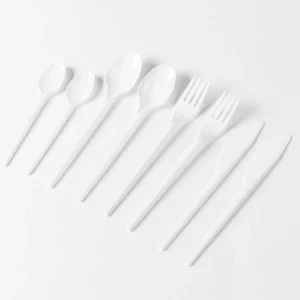
- PLA Cutlery: PLA can be molded into forks, knives, and spoons that closely resemble traditional plastic. C-PLA, or crystallized polylactic acid, is a variant that has been treated for higher heat resistance, making it suitable for hot foods. It offers a more conventional eating experience than wood but carries the same disposal complexities as PLA plates—it requires commercial composting.
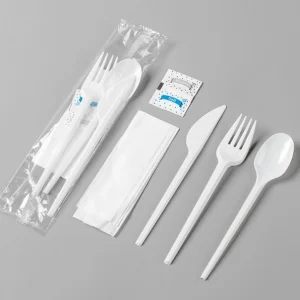
- Eco Disposable Cutlery Sets: For convenience and a cohesive presentation, many caterers turn to pre-packaged sets. A quality eco disposable cutlery kit, perhaps containing a C-PLA fork, knife, spoon, and a napkin, ensures consistency and simplifies distribution, which is invaluable at large events. These kits often come from manufacturers who focus on creating a complete, sustainable system.
The best practice is to match the cutlery's performance and aesthetic to the plate and the menu. A steak dinner requires a knife that can actually cut, making heavy-duty C-PLA or a very robust wooden knife a necessity.
The Straw Dilemma: Balancing Convenience with Conscience
Few items have symbolized the problem of plastic waste as powerfully as the single-use plastic straw. For caterers serving beverages, finding an alternative is no longer optional; it is a core expectation.
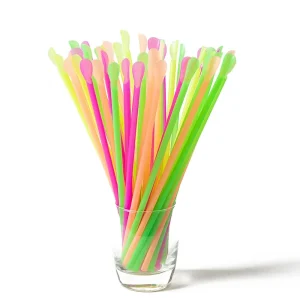
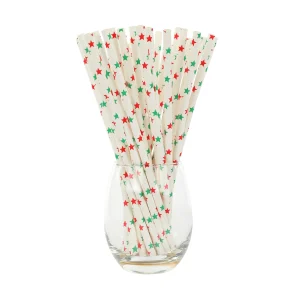
- Paper Straws: The most common alternative, paper straws have improved significantly since their early, mushy iterations. Modern, multi-ply paper straws can hold up for the duration of a drink. They are biodegradable and come in countless colors and patterns to match event decor.
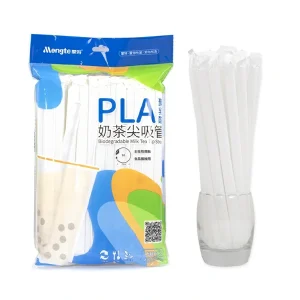
- PLA Straws: These look and feel just like plastic straws but are derived from corn starch. They are great for cold drinks but will warp in hot beverages. Like all PLA products, they require commercial composting for proper disposal.
- Biodegradable Straws: The term "biodegradable" can be broad, but it often refers to materials like PHA (polyhydroxyalkanoate), which can biodegrade in a wider range of environments than PLA, including marine settings. As the technology for 生分解性ストロー advances, they are becoming an increasingly popular choice for caterers seeking the most responsible option.
The choice of straw, like the choice of plate, sends a message. Offering a functional, non-plastic straw demonstrates a caterer's attention to detail and commitment to modern standards of service.
Waste Management: The Caterer's Final Responsibility
Choosing compostable plates and cutlery is only half the battle. The environmental benefit is only realized if those items end up in the right place. A caterer's responsibility extends to the end of the event.
This means setting up clear, well-labeled waste stations. A three-bin system—Compost, Recycling, and Landfill—is the gold standard. Signage with pictures can help guests make the right choice in the split second they have to dispose of their items. For high-end events, staff may need to manage waste stations to ensure there is no cross-contamination. Communicating with the venue or a private waste hauler beforehand to confirm that a commercial composting stream is truly available is a non-negotiable step. Without this confirmation, the investment in compostable serviceware is rendered meaningless, an act of "greenwashing" rather than genuine environmental stewardship (Abe, 2025).
Navigating the Global Market: Regional Preferences and Regulations
For a global supplier, understanding the local context in key markets like Russia, Spain, France, Germany, Japan, and South Korea is vital. The decision of what disposable plates do caterers use is heavily influenced by national regulations and cultural norms.
- European Union (France, Germany, Spain): The EU's Single-Use Plastics Directive has profoundly reshaped the market. Items like conventional plastic cutlery, plates, and straws are largely banned. This has accelerated the adoption of alternatives like bagasse, wood, and PLA across the continent. In Germany, with its strong recycling culture and "Grüner Punkt" (Green Dot) system, there is a high level of consumer awareness about packaging waste. French caterers, particularly in the gastronomic sector, may prioritize the aesthetic appeal of high-end options like bamboo or palm leaf to align with the country's culinary reputation.
- Japan: Japanese culture places an immense value on presentation (hōsō). Packaging and serviceware are not just functional; they are part of the aesthetic experience. Caterers in Japan might favor materials that offer a clean, minimalist, and flawless presentation, such as high-grade white bagasse or sleek bamboo. The concept of "mottainai," a sense of regret concerning waste, also drives interest in materials that are perceived as less wasteful, such as those made from byproducts.
- South Korea: South Korea has aggressive waste reduction and recycling policies. Caterers and consumers are familiar with complex sorting requirements. There is a strong market for products with clear environmental certifications. Functional, reliable, and certified compostable materials like bagasse and C-PLA are well-received. The dynamic "bbali-bbali" (hurry-hurry) culture also means that convenience and efficiency in service are highly prized, making reliable disposables a key part of the food service industry.
- Russia: While environmental regulations are evolving, cost and durability often remain the primary drivers in the Russian market. Robust, no-nonsense solutions that can handle hearty cuisine are essential. Heavy-duty bagasse or even premium plastic tableware can be popular choices, valued for their reliable performance. As global trends permeate, the demand for eco-friendly options is growing, but it is often balanced against pragmatic economic considerations.
Understanding these regional nuances allows a caterer or supplier to offer solutions that are not just physically suitable but also culturally and legally compliant, building trust with a diverse international clientele.
Frequently Asked Questions
Are sugarcane (bagasse) plates completely waterproof and grease-proof? High-quality sugarcane plates exhibit excellent resistance to moisture and grease due to the tight press-molding process. They are not entirely "waterproof" in the way plastic is, but they will comfortably hold saucy or wet foods for the duration of a typical meal without leaking or becoming saturated. For extremely oily foods or dishes that will sit for a very long time, some minor oil seepage can occur, but structural integrity is rarely compromised.
What is the real cost difference between a palm leaf plate and a bagasse plate? Generally, a palm leaf plate can be two to four times more expensive than a standard bagasse plate of a similar size. The price reflects the more labor-intensive collection and manufacturing process for palm leaf and its positioning as a premium, aesthetic-driven product. For a large event, this cost difference can be substantial, making bagasse the more common choice for budget-conscious catering.
Can I put PLA or sugarcane plates in my home compost bin? Sugarcane (bagasse) can break down in a well-managed, hot home compost pile, though it will take longer than it would in an industrial facility. PLA, however, cannot. It requires the sustained high temperatures (above 140°F or 60°C) of a commercial composting facility to break down. Placing PLA in a home compost bin is equivalent to sending it to a landfill; it will persist for a very long time.
Is wooden cutlery better for the environment than C-PLA (heat-resistant) cutlery? This is a complex comparison. Wooden cutlery is typically made from a fast-growing renewable resource (like birch) and is biodegradable in a wider range of conditions than PLA. C-PLA is also made from a renewable resource (corn starch) but requires industrial composting. The "better" choice depends on the available disposal infrastructure. If a commercial composting facility is guaranteed, C-PLA performs well. If not, wood is more likely to break down naturally over time. One must also consider the life-cycle analyses which study the total environmental impact from creation to disposal (Wu et al., 2024).
Why would a caterer ever choose premium plastic tableware over a compostable option in 2025? There are a few niche scenarios. First, in a location with zero access to commercial composting but excellent plastics recycling facilities, choosing a recyclable rPET plate might be the most responsible local option. Second, for certain specific applications requiring extreme durability, clarity, and a low price point where compostability is not a client mandate, a high-grade plastic plate might be chosen for its sheer performance and reliability. It is a pragmatic choice made when the "eco" options are not viable for logistical or financial reasons.
Do biodegradable plates attract pests in storage? No, this is a common misconception. Disposable plates made from plant materials like sugarcane or palm leaf are processed and dried to a state where they are inert. They do not contain food residue and are no more attractive to pests than paper or cardboard would be. They should be stored in a clean, dry location, just like any other food-service item.
What does "biodegradable" really mean for disposable plates? Biodegradability refers to the ability of a material to be broken down into natural elements by microorganisms like bacteria and fungi. However, the term itself does not specify a timeframe or the conditions required. "Compostable" is a more specific and useful certification, indicating that a material will break down in a commercial composting facility within a set period (usually 90-180 days), leaving no toxic residue (Djekić, 2025). When evaluating products, look for certifications like BPI (Biodegradable Products Institute) to ensure they meet these rigorous standards.
結論
The seemingly simple act of choosing a disposable plate unfolds into a rich tapestry of considerations encompassing material science, event logistics, client psychology, and environmental ethics. The inquiry into what disposable plates do caterers use reveals that there is no single, perfect answer. The wisest choice is always contextual, born from a deep understanding of the event's specific needs and the unique properties of each available material. The workhorse reliability of sugarcane, the rustic elegance of palm leaf, the clear appeal of PLA, and the refined luxury of bamboo each have their moment to shine.
For the caterer in 2025, success lies not in finding one magic bullet, but in cultivating the expertise to select the right tool for the job. It requires a holistic perspective that pairs the chosen plate with complementary cutlery and straws, and a sense of responsibility that extends to managing the final disposal of these items. By embracing this complexity, caterers can elevate their service, meet the sophisticated demands of their clients, and take meaningful steps toward a more sustainable and conscientious mode of operation. The plate is not just a vessel for food; it is a statement of intent, a reflection of professionalism, and a commitment to quality that guests can see and feel.
References
Abe, M. M. (2025). Bioplastics and biodegradable plastics: A review of recent advances, feasibility and cleaner production. Science of The Total Environment, 967, 179373.
Djekić, I. (2025). Sustainable perspectives of disposable tableware: A systematic review. Sustainability, 17(4), 1434. https://doi.org/10.3390/su17041434
Dybka-Stępień, K., Antolak, H., Kmiotek, M., Piechota, D., & Koziróg, A. (2021). Disposable food packaging and serving materials—Trends and biodegradability. Polymers, 13(20), 3606. https://doi.org/10.3390/polym13203606
Operato, L., Panzeri, A., & Masoero, G. (2025). Food packaging use and post-consumer plastic waste management: A comprehensive review. Frontiers in Food Science and Technology, 5. https://doi.org/10.3389/frfst.2025.1520532
Pålsson, H. (2023). Current state and research directions for disposable versus reusable packaging: A systematic literature review of comparative studies. Packaging Technology and Science, 36(6), 391-409. https://doi.org/10.1002/pts.2722
Wu, X., Liu, P., Shi, H., Wang, H., Huang, H., Shi, Y., & Gao, S. (2024). Applications of biodegradable materials in food packaging: A review. Egyptian Journal of Chemistry, 67(3), 363-376.