




 DE
DE  EN
EN  FR
FR  ES
ES  RU
RU  JA
JA  KO
KO 
Abstract
The global movement away from single-use plastics has compelled businesses in the food service and hospitality sectors to re-evaluate their disposable tableware choices. This analysis offers a comprehensive examination of wooden cutlery as a leading alternative in 2025, addressing the central question of its overall superiority to other options. It provides a multi-faceted investigation into five decisive factors: economic viability, functional performance, consumer perception, environmental sustainability, and regulatory safety. The assessment synthesizes findings from recent life cycle assessments, market reports, and regulatory standards to present a nuanced perspective. It moves beyond simplistic environmental claims to explore the complex trade-offs involved in material sourcing, manufacturing processes, user experience, and end-of-life management. By dissecting each factor, the article furnishes business owners, procurement managers, and industry professionals with the detailed, evidence-based knowledge required to make an informed and strategic decision that aligns with both ecological responsibility and commercial objectives. The exploration reveals that the answer is not absolute but contingent upon a business's specific operational context, brand identity, and target market.
Key Takeaways
- Evaluate total cost of ownership, not just the unit price of wooden cutlery.
- Wooden cutlery's durability varies; test it with your specific menu items.
- Customer perception of wood as "eco-friendly" can significantly enhance brand image.
- The question of is wooden cutlery better depends heavily on certified sourcing and proper disposal.
- Ensure all wooden utensils meet international food-grade safety and compliance standards.
- A holistic eco-strategy often includes eco disposable cutlery beyond just wood.
- Consider a mix of materials, including biodegradable plastic cutlery, for optimal performance.
Table of Contents
- 1. A Deep Dive into the Economic Realities: Cost Analysis
- 2. The Functional Question: Durability and Performance
- 3. The Human Element: Customer Perception and Brand Image
- 4. The Planetary Mandate: A Nuanced Look at Sustainability
- 5. Ensuring Well-being: Health, Safety, and Compliance
- The Broader Ecosystem of Eco-Friendly Tableware
- Schlussfolgerung
- Frequently Asked Questions (FAQ)
- References
1. A Deep Dive into the Economic Realities: Cost Analysis
The decision to adopt a new product line, especially one that replaces a long-standing staple like conventional plastic cutlery, often begins not with grand ideals but with a pragmatic examination of the balance sheet. For any business, from a local cafe in Seoul to a large catering company in Berlin, the economic implications of switching to wooden cutlery are a primary consideration. The argument for or against its adoption cannot be sustained without a thorough and honest accounting of its costs, both apparent and hidden. We must move beyond a surface-level price comparison and cultivate a more profound understanding of the total financial picture. This involves scrutinizing the initial procurement expenses, calculating the total cost of ownership over the product's life, appreciating the leverage of bulk purchasing, and anticipating the evolving landscape of governmental regulations and incentives. Only through such a detailed financial inquiry can a business truly determine if the answer to the question, "is wooden cutlery better?" is affirmative from a fiscal perspective.
The Initial Procurement Cost: Wooden vs. Plastic Alternatives
The most immediate financial data point a procurement manager encounters is the per-unit cost. It is a straightforward metric, yet it can be misleading if considered in isolation. Generally, wooden cutlery carries a higher initial purchase price than its traditional polystyrene (PS) or polypropylene (PP) plastic counterparts. This price differential is not arbitrary; it is rooted in the distinct manufacturing processes and raw material supply chains.
The creation of a plastic fork is a marvel of industrial efficiency—petroleum derivatives are heated, injected into multi-cavity molds, and cooled at an astonishing rate, producing thousands of identical units per hour with minimal labor. The raw material, while subject to global oil price fluctuations, is fundamentally a mass-produced commodity.
In contrast, a wooden fork begins its life as a tree, typically birch, which must be cultivated, harvested, and processed. The wood is peeled into veneers, stamped into cutlery shapes, and then tumbled and polished to ensure a smooth finish. Each step involves more mechanical action and quality control than plastic injection molding. This more intensive process, combined with the logistics of forestry, contributes to a higher base cost.
However, the comparison becomes more complex when we introduce other eco-friendlier alternatives, such as biodegradable plastic cutlery made from polylactic acid (PLA). PLA is derived from plant starches like corn or sugarcane. Its production is also a sophisticated industrial process, and its cost can be volatile, tied to agricultural markets and the scale of bioplastic refining capacity. As of 2025, the cost of PLA cutlery often sits somewhere between conventional plastic and wood, though this can vary by region and supplier.
To illustrate these differences, let us consider a simplified cost comparison for a hypothetical order of 10,000 units of a single utensil (e.g., a fork).
| Cutlery Type | Estimated Cost per Unit (USD) | Total Cost for 10,000 Units (USD) | Key Cost Drivers |
|---|---|---|---|
| Conventional Plastic (PS/PP) | $0.02 – $0.04 | $200 – $400 | Oil prices, molding efficiency |
| Wooden (Birch) | $0.05 – $0.09 | $500 – $900 | Wood harvesting, processing labor, finishing |
| Biodegradable Plastic (PLA) | $0.04 – $0.07 | $400 – $700 | Corn/sugarcane prices, polymerization process |
| Recycled Plastic Tableware (rPET) | $0.03 – $0.06 | $300 – $600 | Collection/sorting infrastructure, reprocessing |
This table provides a snapshot, but it is not the complete story. A business owner in France might find local European birch cutlery to be competitively priced against imported PLA, while a manager in Japan might find regional suppliers of bioplastics more economical. The initial procurement cost is the starting line, not the finish line, in our financial investigation.
Total Cost of Ownership: Beyond the Purchase Price
A wise financial officer understands that the cheapest product to buy is not always the cheapest product to own. The concept of Total Cost of Ownership (TCO) encourages a more holistic view, encompassing all costs associated with the cutlery from warehouse to waste bin.
First, consider logistics. Wooden cutlery is generally lighter than premium plastic tableware but can be bulkier in its packaging to prevent damage. Shipping costs are calculated by either weight or dimensional volume, so the specific packing efficiency becomes a factor. A tightly packed case of wooden forks from a quality supplier might have a transportation cost advantage over a heavier, premium-weight plastic alternative.
Second, we must account for breakage or spoilage. Low-quality wooden cutlery can have a higher incidence of splintering or cracking in the case, rendering some percentage of the stock unusable. Similarly, some forms of brittle biodegradable plastic cutlery might suffer from a higher breakage rate during handling or use compared to more flexible conventional plastics. A 5% loss rate on a "cheaper" product can easily make it more expensive than a slightly pricier but more robust alternative.
Third, and perhaps most significantly, are the indirect costs and benefits tied to brand image and customer loyalty, which we will explore more deeply later. If switching to wooden cutlery allows a restaurant to increase its prices by a small margin or attracts a new demographic of environmentally conscious customers, that revenue gain can far outweigh the increased procurement cost. Conversely, sticking with single-use plastic in a market like Germany, where environmental awareness is high, could lead to a reputational cost that is difficult to quantify but undeniably real.
Finally, the end-of-life cost is a growing factor. As municipalities and waste management companies begin to charge more for landfilling non-recyclable or non-compostable materials, the disposal cost of conventional plastics could rise. If a business has access to commercial composting services that accept wooden cutlery, the disposal cost for wood could eventually become lower than for landfill-bound plastic. The TCO calculation forces us to ask not just "What does it cost to buy?" but "What does it cost to use and discard?"
Economies of Scale: The Impact of Bulk Orders
The principles of economies of scale apply profoundly to the disposable tableware market. The cost-per-unit figures discussed earlier are highly sensitive to order volume. A small coffee shop ordering a single case of 1,000 wooden forks will pay a premium price. A national restaurant chain or a distributor negotiating a contract for millions of units will unlock significant discounts.
Manufacturers of all types of cutlery—wood, plastic, or bioplastic—have high fixed costs associated with their machinery and facilities. Once those costs are covered, the marginal cost of producing each additional unit decreases. They can pass these savings on to high-volume customers. This is particularly relevant for businesses considering a switch to a more expensive option like wood. The initial sticker shock experienced on a small trial order may not accurately reflect the long-term, large-scale cost.
This is where building a relationship with a large-scale supplier becomes a strategic advantage. A specialized supplier, such as Mengte Commodities, can leverage its production volume and established logistics networks to offer more competitive pricing on products like wooden cutlery and even related items such as bulk straws or disposable paper tableware. By consolidating procurement, a business can increase its order volume for each product category, thereby achieving greater economies of scale across its entire range of disposable goods.
For a business on the fence, a useful exercise is to request quotes for different order volumes—for example, 10,000 units, 100,000 units, and 1,000,000 units. Plotting these quotes on a graph will visually demonstrate the declining per-unit cost and help in forecasting long-term expenses more accurately. This analysis often reveals that at a certain scale, the financial case for asking "is wooden cutlery better?" becomes much more compelling.
Regulatory Costs and Incentives in 2025
The economic landscape of 2025 is being actively reshaped by environmental legislation. The era of treating the environment as a free resource for waste disposal is drawing to a close. Governments worldwide are implementing policies that use financial levers to steer businesses toward more sustainable practices.
The European Union's Single-Use Plastics Directive is a prime example. It has already banned certain single-use plastic items, including cutlery, forcing businesses in member states like Spain, France, and Germany to find alternatives. While this is a direct ban, the next phase of regulation often involves economic instruments. These can include:
- Plastic Taxes: A per-kilogram or per-item tax on virgin plastic packaging and products, making conventional plastic cutlery more expensive.
- Extended Producer Responsibility (EPR) Schemes: Systems where producers pay fees based on the type and quantity of disposable items they put on the market. These fees are typically higher for materials that are difficult to recycle or compost, and lower for sustainable options like certified wooden cutlery.
- Subsidies and Tax Credits: Governments may offer financial incentives for businesses that invest in compostable alternatives or adopt closed-loop systems. A business that switches to wooden cutlery and partners with a local composting facility might be eligible for such benefits.
These regulatory costs are not hypothetical. They are becoming a standard part of the cost of doing business in many parts of the world. Therefore, when comparing the cost of wooden cutlery to plastic, a forward-looking analysis must include the projected costs of taxes and EPR fees on the plastic option. An item that seems cheaper today could become the more expensive choice tomorrow once these levies are applied. The financial query "is wooden cutlery better?" must be answered not just for today's market, but for the regulatory environment of the near future.
2. The Functional Question: Durability and Performance
Beyond the numbers on an invoice lies a question of fundamental utility: Does the product work well? For cutlery, the criteria are clear. It must be strong enough to handle the food it is meant for, it must not fail under expected conditions of heat or cold, and it should not detract from the sensory experience of eating. A shift to wooden cutlery represents a significant material change, and with it comes a different set of performance characteristics. A business must rigorously evaluate whether this change is an acceptable compromise, a lateral move, or even an improvement. The investigation into its functional adequacy requires an objective look at its material strength, its behavior with different foods and temperatures, the subtle but important aspect of mouthfeel, and its suitability for the diverse cuisines served to a global clientele.
Material Strength and Breakage Rates
The first test any piece of cutlery must pass is the test of strength. A fork that snaps when trying to spear a piece of roasted potato or a knife that breaks against a firm bread crust is a functional failure. Such failures not only frustrate the customer but also reflect poorly on the establishment.
The strength of wooden cutlery is largely determined by two factors: the type of wood used and the quality of the manufacturing process. Birchwood is the most common choice for a reason. It is a hardwood with a fine, straight grain, which gives it a good balance of rigidity and flexibility. A well-made birchwood fork has impressive tensile strength. Bamboo is another popular material, known for its exceptional strength-to-weight ratio, although it is technically a grass. Cutlery made from bamboo can be extremely durable.
However, not all wooden cutlery is created equal. Low-quality products may be stamped from inferior wood species or from sections of the veneer with knots or imperfections in the grain. These can create weak points where the utensil is likely to snap under pressure. Poorly controlled drying or polishing processes can also make the wood brittle.
In comparison, conventional plastic cutlery's strength is a function of the type of plastic and its thickness. Polystyrene (PS) is rigid but can be brittle, leading to the classic "snapped tine" problem. Polypropylene (PP) is more flexible and less likely to shatter, making it a common choice for reusable "takeout" containers and more durable single-use cutlery. Premium plastic tableware often uses thicker gauges of PP or other robust polymers to provide a near-reusable feel.
Biodegradable plastic cutlery made from PLA exhibits different properties. Early generations of PLA were known for their brittleness, particularly at lower temperatures. However, advancements in polymer science have led to the development of crystallized PLA (C-PLA) and other blends that significantly improve both strength and heat tolerance.
A business looking to source cutlery should not rely on marketing claims alone. The most reliable method of evaluation is physical testing. Order samples of a portable birch wooden disposable cutlery set, along with samples from various plastic and bioplastic suppliers. Use them in your own kitchen with the toughest items on your menu. Try to cut a dense brownie, scoop frozen ice cream, and spear a crisp salad green. Document the failure rate. A slightly higher per-unit cost for a demonstrably stronger wooden fork is a sound investment against the cost of customer complaints and food waste.
Resistance to Heat and Liquids
A utensil's interaction with the temperature and moisture of food is a second critical performance metric. This is an area where different materials show marked differences in behavior.
Conventional plastics like polypropylene (PP) have a relatively high melting point (around 160°C or 320°F), making them suitable for use with hot soups, coffee, and other heated dishes. Polystyrene (PS), on the other hand, has a much lower softening point and can deform or even leach chemicals when exposed to high heat, making it unsuitable for such applications.
Standard PLA, the most common bioplastic, has a low heat tolerance, typically beginning to soften around 60°C (140°F). This makes it perfectly adequate for cold salads, sandwiches, and chilled desserts but a poor choice for a hot cup of tea or a bowl of steaming ramen. This limitation was a significant barrier to its wider adoption. To address this, manufacturers developed C-PLA (crystallized PLA), which is put through a post-production heating and cooling process. C-PLA can withstand temperatures up to around 85-90°C (185-195°F), making it a much more versatile option for hot foods and liquids, though it comes at a higher cost.
Wooden cutlery, being a natural material, has excellent inherent resistance to heat. You can stir a boiling pot of soup with a wooden spoon without any fear of it melting or deforming. This makes it a very reliable choice for hot beverages and meals.
The interaction with liquids, however, presents a different challenge for wood. Uncoated wood is porous. If left submerged in a liquid like a soup or a sauce for an extended period, it can absorb some of the liquid, potentially becoming slightly softened or saturated. More importantly for the user experience, it can absorb some of the flavor. High-quality wooden cutlery is polished to a very smooth finish, which helps to minimize this porosity by closing the surface pores of the wood. Some manufacturers may apply a food-grade, plant-based wax coating to further enhance liquid resistance, though this adds cost and another material to the sustainability equation.
Let's organize these properties for clarity:
| Cutlery Type | Heat Resistance (Approx. Max Temp) | Liquid Resistance (Prolonged Contact) | Best Use Cases |
|---|---|---|---|
| Polystyrene (PS) | Low (~70°C / 160°F) | Excellent | Cold items, parties, lightweight meals |
| Polypropylene (PP) | High (~160°C / 320°F) | Excellent | Hot and cold foods, general purpose |
| Standard PLA | Low (~60°C / 140°F) | Excellent | Cold items, salads, desserts, deli |
| Crystallized PLA (C-PLA) | Medium-High (~85°C / 185°F) | Excellent | Hot soups, coffee, full meals |
| Wooden (Birch/Bamboo) | Excellent (>100°C / 212°F) | Good to Very Good (can be porous) | Hot and cold foods, coffee stirrers, rustic dining |
This comparative analysis is vital. A business that primarily serves cold-brew coffee and salads in Spain could confidently use standard PLA. A cafe in Russia specializing in hot borscht and tea would find wooden cutlery or C-PLA to be far more suitable. The question, "is wooden cutlery better?" functionally depends entirely on what is being served.
The Sensory Experience: Mouthfeel and Taste Transfer
Eating is a multi-sensory experience. The texture of a utensil against the lips and tongue—its "mouthfeel"—and any taste it might impart are subtle but powerful components of that experience. This is perhaps the most subjective and debated aspect of the wooden cutlery discussion.
Many people who are accustomed to the inert smoothness of metal or plastic cutlery report a distinct sensory awareness when using wood. They notice the fine-grained texture on their tongue. For some, this is a pleasant, natural, and earthy sensation that complements organic or farm-to-table food concepts. It feels authentic and connected to nature.
For others, the experience is less positive. They may describe the texture as "dry," "chalky," or "papery." A common complaint, especially with lower-quality wooden cutlery, is the perception of a "woody" taste, as if one is licking a popsicle stick. This taste transfer can interfere with the delicate flavors of the food, which is a significant concern for any culinary establishment that prides itself on its cuisine.
The quality of the wooden cutlery is paramount here. High-grade birch cutlery that has been properly sanded and polished to a very smooth finish minimizes the textural issues and dramatically reduces the potential for taste transfer. The goal is to create a surface so smooth that it glides in the mouth with minimal friction or porosity. Think of the difference between a rough-sawn plank and a piece of finely sanded furniture—both are wood, but the sensory experience is worlds apart.
In contrast, plastic and bioplastic cutlery are generally neutral in both taste and texture. They are prized for their smoothness and for not interfering with the food's flavor profile. This is their home territory, a domain where they consistently perform well. Recycled plastic tableware maintains this quality, offering the same sensory neutrality as its virgin plastic counterparts.
When considering a switch, it is wise to conduct blind taste tests with staff and trusted customers. Serve the same dish—perhaps something with a subtle flavor like a panna cotta or a light broth—using a plastic spoon, a PLA spoon, and a wooden spoon. Ask for honest feedback on the sensory experience. The results may be surprising and will provide invaluable data on how your specific clientele is likely to react.
Suitability for Different Cuisines: A Global Perspective
The final dimension of functional performance is its appropriateness for different types of food from around the world. A utensil is a tool, and the right tool depends on the job.
-
European Cuisines: For many European dishes, from a French picnic with pâté and cheese to a German bratwurst with potato salad, wooden cutlery performs admirably. A wooden knife can handle sausages and firm cheeses, and a fork is well-suited to salads and pasta. Its rustic aesthetic often aligns well with traditional European "country-style" dining.
-
North American Cuisines: For casual American fare like burgers, fries, and coleslaw, wooden cutlery is a perfectly viable option. However, for something requiring more cutting power, like a steak or a dense chop, even the best disposable wooden knife will struggle. In these cases, premium plastic tableware designed for strength or even reusable metal cutlery is a more practical choice.
-
Asian Cuisines: The context here is diverse. For Japanese bento boxes, which often feature rice, cooked vegetables, and pieces of fish or meat, a wooden fork and spoon can be very effective. The natural aesthetic of wood pairs beautifully with the traditional presentation of Japanese food. For Korean cuisine, with its array of banchan (side dishes), a sturdy spoon for scooping rice and stews and a fork for picking up kimchi or noodles works well. However, for cuisines that rely heavily on liquid-based dishes, like Vietnamese pho or Thai green curry, the potential for a wooden spoon to absorb flavor over the course of a long meal could be a minor drawback, though its heat resistance is a major plus.
-
Latin American Cuisines: For dishes like ceviche, tacos, or rice and beans, wooden cutlery is generally a great fit. Its ability to handle both acidic components (like lime juice in ceviche) and hearty, scoopable items makes it versatile.
Ultimately, the global functionality of wooden cutlery is strong but not universal. It excels with most casual and semi-formal meals. Its primary weakness is in situations requiring significant cutting force. Businesses must assess their menu's demands. An Italian restaurant serving pre-sliced pizza may find wooden cutlery ideal, while a steakhouse will find it inadequate. The answer to "is wooden cutlery better?" for your menu requires an honest appraisal of whether it is the right tool for the culinary task at hand.
3. The Human Element: Customer Perception and Brand Image
In the intricate dance of commerce, the tangible attributes of a product—its cost and function—are only part of the story. The other, equally powerful part is intangible: the story the product tells, the values it represents, and the way it makes a customer feel. The choice of something as seemingly minor as a disposable fork can send a potent message about a brand's identity and its commitment to broader social and environmental values. In an age of conscious consumerism, especially in markets like France, Germany, and South Korea, the shift to wooden cutlery can be a profound strategic move that transcends mere utility. It is an act of communication. This section explores the psychology of "green" consumerism, the art of aligning your cutlery choice with your brand's narrative, the nuances of international preferences, and the critical need to avoid the pitfalls of perceived "greenwashing."
The Psychology of "Green" Consumerism
To understand the impact of wooden cutlery, we must first understand the mindset of the modern consumer. There is a growing global segment of the population that seeks to align their purchasing decisions with their personal values. They are not just buying a product; they are voting with their wallets for the kind of world they want to live in. For these consumers, seeing a business use natural, renewable materials like wood instead of fossil fuel-based plastic triggers a powerful psychological response known as the "halo effect."
The halo effect is a cognitive bias where a positive impression in one area influences one's opinion in other areas. When a customer sees a cafe using wooden cutlery, their brain makes a series of rapid, often subconscious, connections: "Wood is natural. Natural is good. This cafe uses good things. Therefore, this cafe is a good, ethical, and responsible business. The coffee here probably tastes better too." The positive attribute of the eco-friendly utensil casts a "halo" over the entire brand experience.
This effect is not trivial. It can directly translate into increased customer loyalty, a willingness to pay a slight price premium, and enthusiastic word-of-mouth and social media promotion. The wooden fork ceases to be just a fork; it becomes a tangible symbol of shared values between the customer and the brand. It tells the customer, "We care about the same things you do."
Conversely, continuing to use single-use plastics in an environmentally aware market can create a negative halo, or "horns effect." The customer might think, "Plastic is bad for the environment. This business is still using it. They must not care, or they are behind the times." This perception, fair or not, can color their entire experience and make them less likely to return. The choice of cutlery becomes a silent testament to a brand's priorities. The question "is wooden cutlery better?" from a psychological perspective, is often a resounding yes because it taps into this deep-seated desire for ethical consumption.
Aligning with Brand Values: Storytelling and Authenticity
The most successful brands are not just sellers of goods; they are tellers of stories. Your brand's story is the cohesive narrative that explains who you are, what you stand for, and why you exist. The choice of disposable tableware should be a consistent chapter in that story.
Imagine a health-focused cafe that serves organic salads, fresh-pressed juices, and artisanal sandwiches. Its brand story is about wellness, nature, and purity. Providing a plastic fork with an organic kale salad creates a moment of cognitive dissonance for the customer. The packaging clashes with the product. Now, imagine that same salad served with a smooth, elegant birchwood fork—a portable birch wooden disposable cutlery set. The materials are now in harmony. The cutlery reinforces the brand's core message. The business can now actively incorporate this choice into its storytelling: "We believe in natural ingredients from the farm to your fork—and we mean that literally."
This is not just for "green" brands. A rustic barbecue joint can use wooden cutlery to enhance its authentic, back-to-basics aesthetic. A trendy, modern food truck can use it to signal that it is forward-thinking and in tune with contemporary values.
Authenticity is key. The switch to wooden cutlery should not be a standalone gesture but part of a broader, genuine commitment. Perhaps the business also sources local ingredients, minimizes food waste, or uses disposable paper tableware for its plates and napkins. When the choice is authentic, it becomes a powerful marketing tool. A small sign on the counter or a note on the menu explaining why you chose wood—"We use FSC-certified birchwood cutlery to help protect our forests and reduce plastic waste"—transforms a simple operational choice into a compelling brand statement. It answers the question "is wooden cutlery better?" for the customer before they even have to ask.
Navigating International Preferences: Europe vs. Asia
While the trend toward sustainability is global, its expression and intensity vary across cultures. A successful international business must be attuned to these local nuances.
-
Germany: The German market is characterized by a very high level of environmental consciousness (Umweltbewusstsein). Consumers are well-informed about issues like plastic pollution and climate change. Here, the use of plastic cutlery can be a significant liability. Wooden cutlery, especially if it is visibly certified by the FSC (Forest Stewardship Council), is likely to be viewed very favorably. The functional, no-nonsense aesthetic of wood also aligns well with German design sensibilities.
-
France: In France, there is a deep cultural appreciation for aesthetics and the culinary experience (l'art de la table). While environmental concerns are growing, the sensory aspect is paramount. A switch to wooden cutlery would be successful if the product is elegant, smooth, and does not interfere with the taste of the food. A clunky, splintery wooden fork would be an instant failure in a Parisian patisserie. The appeal here is in the "natural chic" aesthetic.
-
Spain: The Spanish market is rapidly catching up in terms of environmental awareness, driven by EU regulations and a desire to protect its beautiful coastlines. The outdoor dining culture of tapas bars and chiringuitos (beach restaurants) makes disposable cutlery a necessity. Wooden cutlery fits perfectly with the relaxed, natural ambiance of this style of dining and is generally perceived very positively as a modern and responsible choice.
-
Japan: The Japanese market places an immense value on quality, presentation, and hygiene. The aesthetic harmony between a wooden bento box and wooden utensils is a strong positive. However, there would be zero tolerance for imperfections like splinters or rough textures. The cutlery must be flawlessly manufactured. The story of the wood's origin—for example, sustainably harvested from a particular type of tree—could also be a powerful selling point in a culture that appreciates craftsmanship and provenance.
-
South Korea: South Korea is a dynamic and trend-conscious market. "Cafe culture" is huge, and aesthetics are incredibly important, often shared widely on social media. A cafe that adopts beautifully designed wooden cutlery can position itself as stylish and eco-conscious, potentially starting a trend. The "Instagrammable" quality of natural materials should not be underestimated in the Korean market.
Understanding these differences is vital. The marketing message that resonates in Berlin might need to be tweaked for Tokyo. The core product may be the same, but the story you wrap around it should be culturally attuned.
The Risk of "Greenwashing" Perceptions
With the rise of green consumerism comes the rise of green skepticism. Consumers are increasingly wary of "greenwashing"—the practice of making misleading or unsubstantiated claims about a product's environmental benefits. Simply switching to wooden cutlery without doing it responsibly can backfire and damage a brand's reputation more than sticking with plastic.
What constitutes greenwashing in this context?
- Using Uncertified Wood: Claiming your cutlery is "eco-friendly" when the wood is sourced from illegally logged forests or from regions where deforestation is rampant is the most serious form of greenwashing. This is why certifications like the FSC are so important. They provide third-party verification that the wood comes from responsibly managed forests.
- Ignoring the End-of-Life Reality: Marketing wooden cutlery as "biodegradable" without providing customers with information on how to dispose of it properly can be seen as misleading. If the only option for customers is the general waste bin where it will end up in an anaerobic landfill, its environmental benefit is significantly reduced. Honest communication means acknowledging this and, where possible, providing composting options.
- Making Exaggerated Claims: Statements like "100% guilt-free" or "saves the planet" are hyperbolic and can erode trust. A more credible approach is to be specific and honest: "By choosing wood, we are using a renewable resource and helping to reduce the amount of fossil fuel-based plastic in our waste stream."
To avoid accusations of greenwashing, businesses must prioritize transparency. Be honest about the complexities. Choose your suppliers carefully and demand documentation for their sourcing and certifications. Educate your staff and your customers about why you made the change and how they can participate in the solution by disposing of the items correctly. Authenticity and transparency are the best antidotes to green skepticism.
4. The Planetary Mandate: A Nuanced Look at Sustainability
The primary impetus behind the global conversation about single-use items is their environmental impact. The visceral images of plastic pollution in oceans and on coastlines have created a powerful mandate for change. Wooden cutlery has emerged as a front-runner alternative, largely because of its perceived natural and biodegradable qualities. However, a genuine commitment to sustainability requires us to move beyond perception and engage in a more rigorous, science-based evaluation. The environmental virtue of any product is not inherent in its source material alone; it is the cumulative result of its entire life story, from the extraction of raw materials to its final resting place. This comprehensive perspective is known as a Life Cycle Assessment (LCA). To truly answer the question "is wooden cutlery better?" for the planet, we must examine its full life cycle, scrutinize its sourcing, understand its end-of-life possibilities, and honestly compare its carbon footprint to its alternatives.
Life Cycle Assessment (LCA): From Cradle to Grave
A Life Cycle Assessment is a systematic methodology for evaluating the environmental impacts associated with all stages of a product's life. It is the gold standard for comparing the sustainability of different products. An LCA is not a simple checklist; it is a complex data-driven analysis that aims to quantify impacts across various categories, including global warming potential (carbon footprint), water usage, land use, and pollution. As a recent review of LCA studies highlights, the perceived sustainability of a material often differs from the scientific findings, and conventional plastics are not always the least environmentally friendly choice (Grosso, 2025).
Let's imagine a simplified LCA for a single wooden fork, following its journey from "cradle to grave":
- Raw Material Extraction (The Forest): This stage assesses the impact of growing and harvesting the trees. Does it come from a sustainably managed forest (like those certified by the FSC) where trees are replanted, or does it contribute to deforestation? The energy used by chainsaws and logging vehicles is also accounted for.
- Manufacturing: The harvested logs are transported to a mill. The energy required to debark, peel, stamp, dry, and polish the wood is calculated. The water used in the process and any waste products (sawdust, wood scraps) are also measured.
- Distribution: The finished forks are packaged (the impact of the packaging itself is included) and transported from the factory in, for example, China, to a distributor in Europe, and finally to a local restaurant in Spain. The fuel used for ships, trains, and trucks contributes significantly to the carbon footprint.
- Use Phase: The "use" phase for a single-use item is very short. For cutlery, this phase has a negligible direct environmental impact.
- End-of-Life: This is a critical and highly variable stage. What happens to the fork after it has been used?
- Best Case (Industrial Composting): The fork is collected in a separate organic waste stream and taken to a commercial composting facility. Here, under controlled conditions of heat and moisture, it breaks down into compost, water, and CO2, returning nutrients to the soil.
- Common Case (Landfill): The fork is thrown into a general waste bin and buried in a landfill. In the oxygen-deprived (anaerobic) environment of a landfill, organic materials like wood decompose very slowly and release methane, a greenhouse gas that is far more potent than CO2 in the short term.
- Worst Case (Litter): The fork is discarded improperly and becomes litter. While it will eventually biodegrade, unlike plastic, it can still be an eyesore and take several years to fully break down depending on the environment.
A complete LCA would perform this same analysis for a PLA fork (starting from the cornfield) and a plastic fork (starting from the oil rig). The results allow for a much more informed comparison. For example, a wooden fork might have a higher impact in the raw material/manufacturing phase than a plastic fork, but a much lower impact in the end-of-life phase if it is composted. A study on single-use product alternatives confirms the necessity of this cradle-to-grave approach to get an accurate picture (Roy, 2024). This complexity is why the answer to "is wooden cutlery better?" is not a simple yes or no.
Sourcing and Forestry Management: The FSC Standard
The entire environmental premise of wooden cutlery rests on the word "renewable." Trees can be regrown, while fossil fuels cannot (on a human timescale). However, this premise is only valid if the rate of harvesting does not exceed the rate of regrowth and if the forest ecosystem is maintained. This is the principle of sustainable forestry.
Irresponsible logging can lead to devastating environmental consequences, including deforestation, loss of biodiversity, soil erosion, and disruption of indigenous communities. A wooden fork made from clear-cut, old-growth rainforest timber is an environmental disaster, not a solution.
This is where third-party certification becomes indispensable for any business that is serious about sustainability. The most globally recognized and respected standard is that of the Forest Stewardship Council (FSC). When a product is FSC-certified, it comes with a guarantee that the wood used is sourced from forests that are managed to the highest environmental and social standards. The FSC's "chain of custody" certification tracks the wood from the forest, through every stage of production, to the final product, ensuring that uncertified wood is not mixed in.
When a procurement manager is sourcing wooden cutlery, one of the most important questions to ask a potential supplier is, "Is your product FSC-certified?" A reputable supplier will be able to provide their certification number and documentation. This certification is the consumer's and the business's best assurance that their choice is genuinely contributing to a positive cycle of responsible forest management. Without this certification, the "renewable" claim is just an unverified marketing statement.
The End-of-Life Dilemma: Compostability vs. Landfill
The "biodegradable" nature of wood is one of its main selling points. It feels intuitive: wood comes from nature, so it should return to nature. While this is true, the way it returns to nature matters immensely.
There is a crucial distinction between "biodegradable" and "compostable."
- Biodegradable: This is a general term meaning a material can be broken down by microorganisms over time. Technically, almost everything is biodegradable, but the timeframe and the byproducts are not specified. A log might take 100 years to biodegrade.
- Compostable: This is a much more specific standard. It means a material can break down in a composting environment (either home or industrial) within a specific timeframe (e.g., 90-180 days), leaving no toxic residue and becoming usable compost.
Wooden cutlery is fully compostable, but it typically requires the conditions of an industrial composting facility to break down efficiently. These facilities maintain high temperatures, moisture levels, and aeration to accelerate decomposition. Simply throwing a wooden fork into your backyard compost pile might work, but it will take much longer to break down than vegetable scraps.
The major challenge is the availability of these facilities. In many cities and countries, the waste management infrastructure to separate and process compostable food service ware does not yet exist at scale. If a customer in a location without such a facility discards a wooden fork, it will most likely end up in a landfill.
As mentioned in the LCA section, the landfill is a poor environment for organic decomposition. The lack of oxygen means that instead of aerobic decomposition (producing CO2), the wood undergoes anaerobic decomposition, which produces methane (CH4). While landfills can have methane capture systems, they are not 100% effective. Therefore, the end-of-life benefit of wooden cutlery is entirely dependent on the existence of and access to proper composting infrastructure. A business must investigate the local waste management capabilities in its areas of operation. The answer to "is wooden cutlery better?" for the climate might be "yes, but only if you can get it composted."
Comparing Carbon Footprints: Wood, PLA, and Traditional Plastic
Quantifying the exact carbon footprint of any product is complex, as it depends on countless variables like transportation distances and the specific energy grid used in manufacturing. However, numerous LCA studies have given us a general understanding of the comparative impacts.
-
Traditional Plastic (PS/PP): The production of plastic from petroleum is energy-intensive and releases significant greenhouse gases. Its primary advantage is its extremely efficient, low-energy manufacturing process (injection molding) and light weight for transport. Its major disadvantage is its fossil fuel origin and its persistence in the environment for centuries if not recycled (and cutlery is rarely recycled).
-
Bioplastic (PLA): The carbon footprint of PLA can be significantly lower than traditional plastic because the plants (like corn) used to create it absorb CO2 from the atmosphere as they grow. This creates a "carbon credit" at the beginning of its life cycle. However, the process of harvesting, transporting, and polymerizing the corn starch into PLA is energy-intensive. Like wood, its end-of-life performance is best when industrially composted. In a landfill, it can also release methane, and it does not biodegrade in a marine environment. The market for such biodegradable options is still nascent but growing (Bioleader, 2025).
-
Wooden Cutlery: The carbon footprint of wood begins with a credit, as the tree absorbs CO2 during its life. The processing and transport contribute to its footprint. Its end-of-life impact is the most variable: it is excellent if composted, but problematic if landfilled.
So, which is best? The science does not offer a single, simple winner. A 2024 study of packaging alternatives found that in many scenarios, conventional plastics actually had a lower overall environmental impact than some of their "greener" substitutes, largely due to efficient production and transport (Grosso, 2025). Another analysis emphasizes that the entire system, from production to disposal, must be considered (Roy, 2024).
The most honest conclusion is that wooden cutlery, when sourced from FSC-certified forests and disposed of in an industrial composting facility, is an excellent environmental choice with a very low net carbon footprint. However, if it is sourced from mismanaged forests and ends up in a landfill, its environmental credentials are severely compromised, and it may not be demonstrably better than a lightweight plastic fork that is also sent to a landfill. This nuanced reality is at the heart of making a truly sustainable choice.
5. Ensuring Well-being: Health, Safety, and Compliance
A product that comes into direct contact with food is subject to the highest standards of scrutiny. Beyond cost, performance, and environmental impact, the absolute, non-negotiable requirement for any form of cutlery is that it must be safe for human use. The transition to a natural material like wood introduces a different set of safety considerations compared to inert plastics. A responsible business must be diligent in verifying that its chosen products meet all relevant food-grade standards, address any potential physical hazards like allergens or splinters, and comply with the complex web of international regulations. As technology advances, new methods of ensuring and communicating this safety, such as digital traceability, are also emerging, offering greater peace of mind to both businesses and their end customers.
Food-Grade Standards and Chemical Treatments
The term "food-grade" or "food-safe" signifies that a material is considered safe for direct contact with food products. It means that no harmful chemicals will leach from the material into the food in quantities that could be a risk to human health. For plastics and bioplastics like PLA, this involves ensuring that the polymer itself is stable and that no harmful plasticizers, colorants, or residual monomers are present.
For wooden cutlery, the considerations are different. The wood itself, particularly birch, is naturally non-toxic. The primary safety concern revolves around what might be added to it during processing. To create a smoother, more liquid-resistant surface, some manufacturers might treat their wooden cutlery. It is imperative that any such treatments are themselves food-grade. Common, safe options include polishing with plant-based waxes like carnauba wax.
However, a business must be wary of low-cost, low-quality suppliers who might use industrial-grade sealants, bleaches, or fungicides to process their wood. These chemicals are not intended for human contact and could pose a health risk. This is another area where partnering with a reputable, transparent supplier is crucial. A trustworthy manufacturer will be able to provide a declaration of conformity, stating that their products comply with food-grade standards and specifying any and all substances used in the manufacturing process. They should be able to provide laboratory test results from third-party agencies that screen for heavy metals, formaldehyde, and other potential contaminants. When evaluating whether wooden cutlery is better, safety must be the foundational criterion.
Allergen Concerns and Splinter Risks
Two physical hazards are unique to wooden cutlery: the potential for allergic reactions and the risk of splinters.
Wood allergies, while not extremely common, do exist. Birch pollen is a frequent cause of seasonal allergies, and while the wood itself is less allergenic, there is a small theoretical risk of a reaction in highly sensitive individuals. However, birchwood is generally considered to be hypoallergenic, and the risk is extremely low, especially with highly polished cutlery where direct contact with raw wood fibers is minimal. For the vast majority of the population, this is not a significant concern.
The risk of splinters is a more practical and immediate issue. A splinter in the lip or tongue is a painful and unacceptable failure of the product. This hazard is almost entirely a function of manufacturing quality. Splinters occur when the wood grain is not cut cleanly or when the product is not properly tumbled and polished to remove all loose fibers.
When inspecting samples of wooden cutlery, this should be a primary focus. Run your fingers along the edges of the forks, spoons, and knives. Examine the tines of the fork and the bowl of the spoon closely under good light. The surface should be uniformly smooth. Bend the utensil slightly—it should feel strong and not exhibit any signs of cracking or fraying. A high-quality piece of wooden cutlery will feel solid, smooth, and well-finished. A low-quality piece may feel rough, flimsy, or "fibrous." The presence of even a single splinter in a batch of samples should be a major red flag regarding the supplier's quality control processes. Investing in a slightly more expensive but flawlessly finished product, like a quality portable birch wooden disposable cutlery set, is a necessary investment in customer safety and satisfaction.
Global Regulatory Frameworks: EU, FDA, and Beyond
The food contact materials market is highly regulated. A business operating internationally or sourcing products from abroad must navigate a complex landscape of regulations that vary by jurisdiction. The main goal of these regulations is to ensure consumer safety.
-
European Union (EU): In the EU, materials that come into contact with food are governed by the comprehensive (EC) No 1935/2004 framework regulation. This regulation sets out the general principles of safety, requiring that materials do not transfer their constituents to food in quantities that could endanger human health, change the composition of the food in an unacceptable way, or cause a deterioration in its taste and smell. Specific measures exist for plastics, but for materials like wood, general safety principles and national regulations within member states (like Germany's LFGB) apply. A product sold in the EU must come with a Declaration of Compliance from the manufacturer.
-
United States (US): In the US, the Food and Drug Administration (FDA) oversees food contact materials. Wood is on the list of substances "Generally Recognized As Safe" (GRAS) for food contact, provided it is in a sanitary condition and does not impart any harmful substances to the food. The FDA's primary concern would be with any coatings, glues, or chemicals used in the manufacturing process, which must also be approved for food contact.
-
Other Regions (Japan, South Korea): Countries like Japan and South Korea have their own stringent food safety laws, often managed by their respective Ministries of Health. These regulations also focus on preventing the migration of harmful substances and ensuring hygienic production.
For a business like Mengte Commodities, which serves a global market, compliance is not optional. It means ensuring that their wooden cutlery, biodegradable plastic cutlery, and disposable paper tableware are all manufactured and tested to meet the requirements of the most stringent of these international standards. For a restaurant or catering business, the simplest way to ensure compliance is to demand full regulatory documentation from your supplier for the specific region in which you operate.
The Rise of Digital Traceability and Quality Assurance
In response to the complexities of global supply chains and the need for greater transparency, a new trend is emerging: digital traceability. This technology offers a powerful way to build trust and verify the safety and sustainability claims of a product.
Imagine a pack of wooden forks. On the packaging, there is a QR code. A customer or a business owner can scan this code with their smartphone. The code links to a webpage that provides the complete story of that specific batch of cutlery. It might show:
- The FSC certification number for the forest where the wood was harvested.
- The location of the manufacturing facility.
- The date of production.
- A copy of the food safety compliance certificate (e.g., compliant with EU Regulation 1935/2004).
- Third-party lab test results for contaminants.
- Information on the proper end-of-life disposal (e.g., "Certified commercially compostable in your region").
This level of transparency, as noted in a 2025 industry white paper, is part of the future outlook for the sector (Bioleader, 2025). It moves beyond simply trusting a supplier's word and provides verifiable, digital proof. For a business, this is a powerful tool for risk management and quality assurance. For the end consumer, it builds immense confidence in the brand. While not yet a universal standard, seeking out suppliers who are investing in this kind of digital traceability is a forward-thinking strategy that demonstrates a profound commitment to safety and transparency. It provides a definitive, data-backed answer to the safety component of the question, "is wooden cutlery better?".
The Broader Ecosystem of Eco-Friendly Tableware
The decision-making process for a business's disposable supplies rarely focuses on a single item in isolation. The question "is wooden cutlery better?" is an important one, but it exists within a larger context of choices that includes utensils, plates, bowls, cups, and straws. A truly effective and sustainable strategy involves curating a complementary suite of products that work together to meet operational needs, align with brand values, and minimize environmental impact. This means looking beyond wooden cutlery to understand the roles that other innovative materials, such as biodegradable straws, disposable paper tableware, and even advanced forms of plastic, can play in a modern, responsible foodservice operation.
The Role of Biodegradable Straws and Paper Tableware
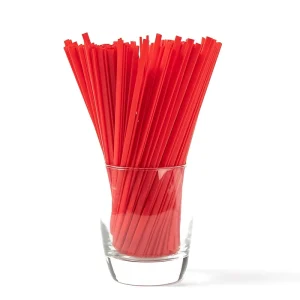
Just as plastic cutlery has come under scrutiny, the single-use plastic straw has become one of the most prominent symbols of disposable waste. The global movement to eliminate them has spurred rapid innovation, leading to a variety of alternatives. Biodegradable straws, often made from materials like PLA, PHA (a bioplastic that can degrade in marine environments), or paper, are now widely available. When selecting a plastic straw alternative, similar considerations to those for cutlery apply: performance (paper straws becoming soggy is a common complaint), cost, and genuine end-of-life biodegradability. For many businesses, offering wooden cutlery alongside high-quality paper or PHA biodegradable straws creates a consistent environmental message.
Similarly, disposable paper tableware—plates, bowls, and containers—is a natural partner to wooden cutlery. Made from a renewable resource, paper products are often compostable along with food waste and wooden utensils, simplifying the end-of-life disposal stream for both the business and the customer. The key is to source paper products that are not coated with polyethylene (PE), a plastic lining that makes them waterproof but also renders them non-compostable and difficult to recycle. Instead, businesses should seek out paper products with newer, compostable PLA linings or innovative aqueous coatings that provide moisture resistance without compromising compostability. A well-curated selection of eco disposable cutlery and tableware demonstrates a holistic commitment to sustainability.
Innovations in Recycled Plastic Tableware
The narrative around plastics is also becoming more nuanced. While reducing virgin plastic production is a primary goal, plastic's durability and performance characteristics are undeniable. For certain applications, plastic remains the superior material. This has led to a growing interest in recycled plastic tableware. This type of cutlery is typically made from rPET (recycled polyethylene terephthalate, the plastic used in water bottles) or other recycled polymers.
The use of recycled plastic tableware supports a circular economy model by creating a market for collected plastic waste, diverting it from landfills and oceans. From a carbon footprint perspective, using recycled plastic is significantly less energy-intensive than producing virgin plastic. For a business whose customers may still prefer the feel and performance of plastic, or for applications requiring greater strength than wood can offer (like cutting tougher meats), offering recycled plastic tableware can be a responsible compromise. It acknowledges the performance benefits of plastic while addressing the environmental concerns associated with virgin resource extraction.
Choosing Premium Plastic Tableware Responsibly
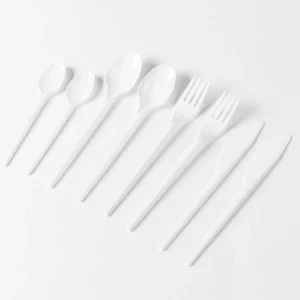
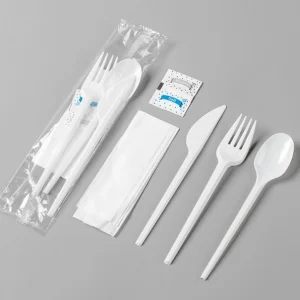
There may still be contexts where neither wood, bioplastic, nor recycled plastic is the optimal choice. Consider a high-end catering event where the weight and sturdiness of the cutlery are paramount to the guest experience. In such cases, premium plastic tableware—heavyweight, elegantly designed utensils that are often reusable—can be the most appropriate option. These are not the flimsy, single-use items of the past. They are designed to be washed and reused multiple times before being disposed of, which dramatically lowers their per-use environmental impact.
The key to using premium plastic tableware responsibly is to have a system in place for its collection and reuse. For a catering company, this is straightforward. For a restaurant, it might mean offering it for dine-in customers only, where it can be collected and washed like traditional metal cutlery. By choosing durability and reusability, a business can still use plastic in a way that is mindful and resource-efficient. The goal shifts from single-use disposability to maximizing the functional life of every item.
Ultimately, the most sophisticated approach for a business is not to declare one material as the single "winner" but to build a versatile inventory. This might mean using a beautiful portable birch wooden disposable cutlery set for takeout salads, strong recycled plastic tableware for heartier meals, biodegradable straws for all cold drinks, and disposable paper tableware for plates and bowls. This "right material for the right job" strategy allows a business to optimize for cost, performance, customer perception, and genuine sustainability across its entire operation.
Schlussfolgerung
The inquiry, "is wooden cutlery better?" does not yield a simple, universal affirmative or negative. Its superiority is not an inherent fact but a contingent reality, dependent on a business's specific values, operational demands, and market context. Our deep exploration of the five critical dimensions—cost, durability, perception, sustainability, and safety—reveals a complex tapestry of trade-offs.
Economically, wooden cutlery demands a higher initial investment than conventional plastic, but this can be offset by a more favorable total cost of ownership, benefits of scale, and an evolving regulatory landscape that increasingly penalizes plastic. Functionally, it offers excellent heat resistance and a unique, natural aesthetic, though its strength and sensory properties require careful quality selection to meet the demands of diverse cuisines. From a marketing perspective, its power is undeniable; in an era of conscious consumerism, it serves as a potent symbol of a brand's commitment to environmental values, capable of fostering deep customer loyalty.
However, its environmental promise is tethered to responsible practices. The "green" halo of wood is only authentic when it is sourced from verifiably sustainable forests, such as those certified by the FSC. Its celebrated biodegradability only translates into a true ecological benefit if the end-of-life infrastructure for commercial composting is available and utilized; otherwise, its fate in a landfill is less benign than often assumed. Finally, its safety is non-negotiable and hinges on sourcing from reputable suppliers who adhere to stringent international food-grade standards and maintain impeccable quality control to eliminate physical hazards.
Therefore, the decision to adopt wooden cutlery is a strategic one that requires diligence. It necessitates a shift in thinking from simply buying a commodity to investing in a product that is a statement of brand identity. The wisest path forward for a business is one of a portfolio approach, selecting the best material for each specific application, whether it be certified wood, high-performing bioplastics, recycled plastics, or durable reusables. The definitive answer lies not in the material itself, but in the thoughtfulness of the choice and the integrity of its execution.
Frequently Asked Questions (FAQ)
1. Does wooden cutlery leave a woody taste in food? High-quality wooden cutlery, typically made from birch and polished to a very smooth finish, has minimal to no taste transfer. Lower-quality or rough-textured cutlery can impart a slight "popsicle stick" taste, especially with liquids or bland foods. It is advisable to sample products before committing to a large order.
2. Is all wooden cutlery environmentally friendly? No. Its environmental benefit depends heavily on two factors: sourcing and disposal. For it to be truly eco-friendly, the wood should be sourced from responsibly managed forests certified by a body like the Forest Stewardship Council (FSC). Also, it provides the greatest environmental benefit when it is commercially composted, rather than sent to a landfill where it can release methane.
3. Is wooden cutlery more expensive than plastic cutlery? Yes, the initial per-unit cost of wooden cutlery is typically higher than that of conventional single-use plastic cutlery. However, the total cost of ownership might be more competitive when considering factors like rising plastic taxes, potential brand enhancement, and customer loyalty.
4. Can you use wooden cutlery with hot foods like soup? Absolutely. Wood has excellent natural heat resistance and will not melt, deform, or leach chemicals when used with hot liquids like soup or coffee. This is one of its key functional advantages over standard PLA bioplastic cutlery.
5. Is wooden cutlery safe and hygienic? Yes, provided it is sourced from a reputable manufacturer. Reputable suppliers ensure their products are made from food-grade materials, are free from harmful chemical treatments, and are manufactured and packaged in a sanitary environment. They should be able to provide documentation of compliance with international safety standards like those from the EU or FDA.
6. What is the difference between wooden and bamboo cutlery? While often grouped together, they come from different plants. Wooden cutlery is typically made from birch trees. Bamboo cutlery is made from the bamboo plant, which is technically a type of grass. Bamboo is known for its rapid growth rate and exceptional strength, but both are excellent renewable options when sourced responsibly.
7. Is wooden cutlery strong enough for all types of food? For most foods, including salads, pasta, rice dishes, and tender meats, high-quality wooden cutlery is sufficiently strong. However, for very tough or dense foods like a well-done steak or frozen ice cream, it may not perform as well as heavyweight plastic or metal cutlery.
8. Can I recycle wooden cutlery? No, wooden cutlery cannot be placed in standard recycling bins for paper or plastic. Its proper "end-of-life" pathway is commercial composting. If composting facilities are not available, it should be disposed of in the general waste.
References
Abe, M. M., Espindola, G. C., & Maceno, M. (2025). Bioplastics and biodegradable plastics: A review of recent advances, feasibility and cleaner production. Science of The Total Environment, 975, 180546.
Bioleader. (2025, July 28). Biodegradable cutlery and compostable utensils: A global industry white paper (2025). Bioleader. https://www.bioleaderpack.com/biodegradable-cutlery-compostable-utensils-white-paper-2025/
Corredig, M., Dörnyei, K. R., Uysal-Unalan, I., Krauter, V., Weinrich, R., Incarnato, L., Karlovits, I., Colelli, G., Chrysochou, P., Fenech, M. C., Pettersen, M. K., Arranz, E., Marcos, B., Frigerio, V., Apicella, A., Yildirim, S., Poças, F., Dekker, M., Lahti, J., & Coma, V. (2023). Sustainable food packaging: An updated definition following a holistic approach. Frontiers in Sustainable Food Systems, 7. https://doi.org/10.3389/fsufs.2023.1119052
Grosso, M., & De Feo, S. (2025). How does plastic compare with alternative materials in the packaging sector? A systematic review of LCA studies. Waste Management & Research, 43(3), 405-420. https://doi.org/10.1177/0734242X241241606
Roy, P., & Al-Amin, A. Q. (2024). Life cycle assessment of banned single-use plastic products and their alternatives. Microplastics, 3(4), 624-645. https://doi.org/10.3390/microplastics3040038