




 DE
DE  EN
EN  FR
FR  ES
ES  RU
RU  JA
JA  KO
KO The Fundamental Composition of Paper Straws
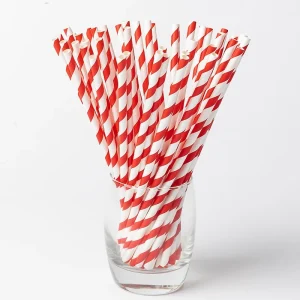
The global shift away from single-use plastics has placed a significant spotlight on the science of alternative materials. When discussing the engineering behind eco-friendly drinking tools, the primary paper straw material used is high-quality, food-grade kraft paper. Unlike standard office paper or cardboard, this material is specifically designed to maintain structural integrity when in contact with liquids for extended periods. The paper must possess high tensile strength to withstand the high-speed winding process during manufacturing without tearing.
The selection of the base paper is critical because it dictates the “soak time”—the duration a straw can remain in a beverage before becoming soft or unusable. Manufacturers typically use multiple layers of paper, often three or four plies, to create a rigid tube. The innermost layer is usually a smoother, high-purity paper to ensure a clean drinking experience, while the outer layers provide the necessary stiffness and can be printed with food-safe inks for aesthetic appeal.

The Role of Specialized Kraft Paper
Kraft paper is the backbone of the industry due to its long fibers, which provide superior durability compared to recycled paper. To meet global safety standards, the paper must be bleached or unbleached using chlorine-free processes, ensuring that no harmful chemicals leach into the beverage. This material is often sourced from FSC-certified forests, guaranteeing that the raw wood pulp comes from responsibly managed sources that provide environmental, social, and economic benefits.
High-performance paper for straws is also treated to be moisture-resistant without the use of plastic linings. This is achieved through mechanical refining of the wood fibers, creating a dense sheet that naturally resists water penetration. This technical balance ensures that while the straw is durable enough for a thirty-minute soda or a cold cocktail, it remains fully compostable and biodegradable once disposed of in a natural environment.
Adhesives and Binding Agents
The paper alone cannot form a straw; it requires a binding agent to hold the spiral-wound layers together. The adhesive used in this process is just as important as the paper itself. It must be a water-based, food-grade glue that is safe for human consumption and capable of maintaining a bond while submerged in liquid. These adhesives are often made from starch-based materials or synthetic water-based polymers that are specifically formulated to break down in composting facilities.
A reputable Lieferant für Einweggeschirr ensures that every component, including the glue, meets FDA or EU food contact regulations. The quality of the adhesive directly impacts the user experience; low-quality glues may dissolve too quickly in hot drinks or leave a sticky residue. Modern manufacturing utilizes heat-sealing or advanced fast-drying adhesives that allow for rapid production speeds while ensuring the finished product is odor-free and tasteless.
Technical Specifications of Straw Components
Understanding the technical requirements of the materials helps businesses choose the right products for their needs. The following table outlines the typical specifications for high-quality paper straw components used in professional manufacturing environments.
| Component | Material Type | Funktion | Key Requirement |
| Inner Ply | Food-grade Kraft Paper | Liquid Contact Layer | Smoothness & Purity |
| Middle Ply | Structural Kraft Paper | Core Rigidity | High Tensile Strength |
| Outer Ply | Bleached/Printed Kraft | Aesthetics & Protection | Ink Adhesion & Stiffness |
| Binding Agent | Water-based Polyvinyl Acetate | Adhesion | Water Resistance & Safety |
| Surface Finish | Food-safe Wax (Optional) | Water Barrier | Biodegradability |
Surface Coatings and Food-Safe Inks
To enhance the visual appeal of paper straws, manufacturers use food-safe inks for branding and patterns. These inks are typically soy-based or water-based to ensure they do not compromise the compostability of the final product. Unlike traditional petroleum-based inks, eco-friendly versions do not release volatile organic compounds (VOCs) and are safe for contact with the mouth and tongue.
Some premium straws may also feature a very thin coating of food-grade wax or a specialized bio-polymer to further increase water resistance. This coating acts as an additional barrier, extending the life of the straw in carbonated or acidic drinks like lemon juice or soda. However, the thickness of this coating must be carefully controlled so that it does not turn the paper straw into a “hybrid” material that is difficult to process in standard composting systems.
Environmental Impact and Biodegradability
The primary advantage of using paper as a raw material is its end-of-life cycle. Unlike plastic straws, which can persist in the ocean for centuries, paper straws typically degrade within sixty to ninety days in a commercial composting environment. Even if they end up in the ocean, the high-purity wood pulp breaks down much faster, significantly reducing the risk to marine life. This rapid decomposition is the main reason why global franchises have made the switch to paper-based alternatives.
Furthermore, the carbon footprint of producing paper straws is often lower when sourced from suppliers who utilize renewable energy and sustainable forestry. By avoiding petroleum-based polymers, the industry reduces its reliance on fossil fuels. The biodegradable nature of the materials ensures that the product returns to the earth as organic matter, closing the loop in a circular economy model.
Challenges in Material Selection
Despite the benefits, choosing the right material involves overcoming certain challenges. For example, hot beverages pose a significant threat to paper-based structures. Heat can accelerate the breakdown of the adhesive and soften the paper fibers much faster than cold liquids. Consequently, straws intended for coffee or tea often require higher GSM (Grams per Square Meter) paper and specialized heat-resistant glues to maintain their shape.
Another challenge is the “mouthfeel” of the paper. Some consumers find the texture of paper straws to be distracting or dry. Manufacturers address this by refining the outer layer of paper to be as smooth as possible or by applying a light calendering process to the paper during production. This mechanical pressing smooths the surface fibers, resulting in a product that feels more like the traditional plastic versions consumers are accustomed to.
Future Innovations in Eco-Friendly Materials
The industry continues to evolve, with researchers exploring new plant-based fibers beyond wood pulp. Materials like bamboo, sugarcane bagasse, and even seaweed are being integrated into paper straw production to diversify the raw material base. These alternatives often grow faster than trees and can offer even greater strength or water resistance, potentially leading to a “second generation” of paper straws that are even more durable.
As technology improves, we can expect the cost of high-quality materials to decrease, making sustainable options more accessible to small businesses and local markets. The goal is to reach a point where the performance of eco-friendly materials is indistinguishable from plastic, ensuring that sustainability no longer requires a compromise in quality or user experience.