




 FR
FR  EN
EN  ES
ES  RU
RU  DE
DE  JA
JA  KO
KO Abstract
The common coffee stirrer, a seemingly trivial object, serves as a focal point for complex intersections of material science, environmental ethics, consumer psychology, and economic pragmatism. An examination of this utensil reveals its evolution from a simple tool for achieving beverage homogeneity to a potent symbol of a business’s commitment to sustainability and customer experience. This analysis evaluates the primary materials used in stirrer manufacturing—wood, bamboo, and various plastics including recycled and plant-based polymers (PLA)—through a lifecycle assessment framework. It considers factors from raw material sourcing and energy consumption in production to end-of-life implications, such as biodegradability and compostability within current global waste management infrastructures. The inquiry demonstrates that the selection of a coffee stirrer is not a minor operational detail but a significant decision with cascading impacts on brand identity, operational costs, and ecological footprint. The optimal choice is contingent upon a nuanced understanding of material properties, supply chain realities, and the socio-regulatory context of 2026, demanding a thoughtful, informed approach from food service providers.
Key Takeaways
- Select stirrers based on a full lifecycle analysis, not just unit cost.
- The material of a stirrer directly communicates your brand’s values to customers.
- Understand the difference between biodegradable and compostable in your local context.
- Consider the sensory experience; a stirrer’s feel and function affect perception.
- A comprehensive analysis of what is a coffee stirrer: meaning, types & uses informs sustainable business practices.
- Factor in regional regulations on single-use items when making procurement choices.
Table of Contents
- Deconstructing the Coffee Stirrer: Beyond a Simple Utensil
- A Material-Centric Analysis: Comparing Common Stirrer Types
- The Economic Calculus: Cost-Benefit Analysis for Cafe Owners
- The User Experience: A Stirrer’s Role in Customer Perception
- Navigating the Regulatory and Environmental Landscape of 2026
- Practical Applications and Innovative Uses
- FAQ: Answering Your Pressing Questions
- Conclusion
- References
Deconstructing the Coffee Stirrer: Beyond a Simple Utensil
The act of stirring a coffee is a small, almost subconscious ritual performed millions of times a day across the globe. Yet, the instrument used for this task, the coffee stirrer, is rarely given a second thought. It is an object of pure utility, designed for a brief, functional lifespan before being discarded. To truly comprehend the significance of this utensil, we must move beyond its surface-level function and examine its purpose, history, and the physical principles it employs. This deeper inquiry allows us to appreciate how a seemingly insignificant stick can embody major economic and ecological choices in the modern world.
The Philosophical Purpose of a Stirrer
At its most fundamental level, a coffee stirrer exists to combat entropy. When milk, cream, sugar, or other amendments are added to coffee, they create a heterogeneous mixture. The coffee is hot, the milk is cold; the liquid is unsweetened, the sugar is a solid crystal. The system is in a state of disequilibrium. The purpose of the stirrer is to introduce mechanical energy to accelerate the system towards a state of thermal and chemical equilibrium. It facilitates the dissolution of solids and the emulsification of liquids, creating a uniform, consistent beverage. In this sense, the stirrer is an agent of order, transforming a chaotic mixture into a predictable and pleasurable sensory experience.
This quest for homogeneity is central to the human experience of prepared foods and beverages. We do not wish to encounter a pocket of scalding hot liquid followed by a tepid one, or a sip of unsweetened bitterness followed by a mouthful of undissolved sugar. The stirrer ensures consistency from the first sip to the last. This act of homogenization, however, carries with it a set of ethical considerations. The tool we use to impose order on our drink is itself a product of a complex industrial system, and its brief use creates a waste product that introduces a different kind of disorder into the environment. The choice of a stirrer, therefore, becomes a negotiation between achieving a desired state in the cup and managing the unintended consequences of that action on the world outside the cup.
Historical Context: From Silver Spoons to Plastic Sticks
The need to stir beverages is as old as the practice of adding things to them. For centuries, the primary tool for this was the spoon. In affluent households, silver or pewter spoons were used. For the common person, a wooden or tin spoon would suffice. The spoon was a permanent, reusable object, often part of a larger cutlery set. Its function was not limited to stirring; it was a multi-purpose tool for eating, measuring, and serving.
The 20th century, with its focus on speed, convenience, and hygiene, gave rise to the concept of disposability. The rise of fast-food culture, coffee shops, and on-the-go consumption created a demand for single-use items. A reusable metal spoon was impractical in this new context. It would need to be collected, washed, and sanitized, a process that required time, labor, and resources. The disposable coffee stirrer emerged as the solution. Early versions were often simple, flat pieces of wood, not dissimilar to a medical tongue depressor but smaller.
The post-war plastics boom revolutionized the industry. Injection-molded polystyrene became the dominant material for stirrers. Plastic offered several advantages: it was incredibly cheap to produce in massive quantities, it was lightweight, waterproof, and could be molded into various shapes, such as the hollow “sip stirrer” that allowed for both stirring and tentative tasting. For decades, the small red or black plastic straw-like stirrer was the unquestioned standard in cafes, diners, and offices. Its ubiquity rendered it invisible, a piece of background paraphernalia in the theater of daily life. Only in the late 20th and early 21st centuries, as awareness of plastic pollution grew, did society begin to question the wisdom of using a permanent material for a momentary purpose, prompting a return to wood and the exploration of new materials like bamboo and PLA. This historical arc shows a continuous search for a tool that perfectly balances function, cost, and, more recently, ecological responsibility.
The Physics of Mixing: How Stirrers Create a Homogeneous Beverage
When a coffee stirrer is inserted into a cup and moved, it imparts kinetic energy to the fluid, creating motion. This process can be understood through the principles of fluid dynamics. The primary mechanism at play is advection, the transport of a substance by the bulk motion of the fluid. As the stirrer moves, it creates currents and vortices (small, swirling eddies) within the coffee.
Imagine adding a cold dash of cream to hot black coffee. The cream, being denser and cooler, initially sinks. Without stirring, the mixing process would rely solely on diffusion, the slow, random movement of molecules from an area of high concentration to low concentration. This is an exceedingly slow process. It would take a very long time for the coffee to become a uniform color and temperature.
The stirrer dramatically accelerates this. By creating turbulent flow, it breaks down the distinct layers of hot coffee and cold cream. The vortices it generates fold and stretch the fluid, increasing the surface area between the different components. This large-scale mechanical mixing brings molecules that were far apart into close proximity, allowing the much faster process of small-scale diffusion to finalize the job. Similarly, when dissolving sugar, the stirrer’s motion helps to move away the layer of liquid next to the crystal that has become saturated with sugar, allowing fresh, unsaturated liquid to come into contact with the crystal, thereby speeding up dissolution. The effectiveness of a stirrer is related to its shape and the type of flow it creates. A simple flat stick primarily creates shear and a few large currents, while a more complex shape or a faster stirring motion can induce greater turbulence, leading to more rapid mixing.
A Material-Centric Analysis: Comparing Common Stirrer Types
The choice of material for a coffee stirrer is the single most important factor determining its cost, performance, and environmental impact. As of 2026, cafe owners are presented with a wider array of options than ever before, each with its own distinct profile of advantages and disadvantages. A thorough analysis requires looking beyond marketing claims and examining the entire lifecycle of the product, from raw material extraction to its final resting place. This section provides a comparative analysis of the most common materials: traditional plastic, wood, bamboo, and newer bioplastics like PLA.
The Ubiquity of Plastic: Benefits and Environmental Burdens
For many years, plastic has been the default choice for disposable cutlery and stirrers. The most common material used is polystyrene (PS) or sometimes polypropylene (PP). The appeal of a plastic straw or stirrer is rooted in the marvels of industrial chemistry. It is exceptionally inexpensive to produce, with a mature and highly efficient manufacturing process. Plastic is lightweight, which reduces shipping costs. It is entirely non-porous and inert, meaning it will not absorb the beverage, splinter, or impart any taste or odor to the coffee. Its performance is predictable and reliable.
However, the very qualities that make plastic so useful—its durability and longevity—are also the source of its significant environmental burden. Polystyrene is derived from fossil fuels, a non-renewable resource. The production process is energy-intensive. The primary issue lies at the end of its very short useful life. A plastic stirrer is used for perhaps twenty seconds. Yet, the material it is made from will persist in the environment for hundreds of years (Thompson et al., 2004). It is not biodegradable. When disposed of, it either occupies space in a landfill or, if it escapes waste collection systems, it pollutes terrestrial and marine ecosystems. In oceans, it breaks down not into harmless components, but into smaller and smaller fragments known as microplastics, which can be ingested by wildlife and enter the food chain. While some plastics can be recycled, thin, small items like stirrers are notoriously difficult for sorting machinery to handle and are often too contaminated with food residue, meaning they are almost never recycled in practice. Using such a permanent material for a fleeting application represents a profound mismatch between material properties and product function. Even options like recycled plastic tableware face challenges with downcycling and food-safe certification.
The Natural Appeal of Wood: Sourcing and Sensory Impact
In response to the environmental concerns associated with plastic, many businesses have turned to wood. Wooden coffee stirrers, typically made from white birch, offer a powerful aesthetic and philosophical counterpoint to plastic. They are derived from a renewable resource. When sourced from responsibly managed forests (for example, those certified by the Forest Stewardship Council), wood can be a sustainable choice. The production process is relatively straightforward, involving peeling logs into veneer, cutting, and tumbling the stirrers to make them smooth.
The user experience of a wooden stirrer is also distinct. There is a tactile warmth and natural texture to wood that many consumers find preferable to the cold, sterile feel of plastic. It connects the user, however subtly, to the natural world. However, wood is not without its drawbacks. There is a risk, albeit small with quality manufacturing, of splintering. Being a porous material, it can absorb a small amount of liquid, although this is generally negligible in the short time it is used. The most significant potential issue for some consumers is “taste transfer.” Some individuals with sensitive palates report that a wooden stirrer can impart a faint, woody taste to the beverage. This sensory impact, whether real or perceived, is a factor for consideration. From an environmental standpoint, wood is biodegradable. In a landfill, it will break down, albeit slowly in the absence of oxygen. In a commercial composting facility or in a natural setting, it will decompose back into organic matter relatively quickly. The key is responsible sourcing to avoid contributing to deforestation.
Bamboo: The Sustainable Contender
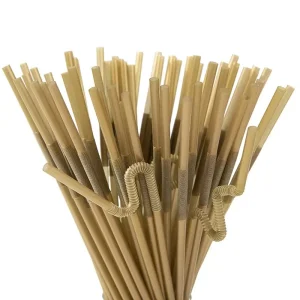
Bamboo has emerged as a popular “eco-friendly” material for a wide range of products, including coffee stirrers and eco disposable cutlery. Its reputation is built on its remarkable growth characteristics. Bamboo is technically a type of grass, not a tree, and it is one of the fastest-growing plants on Earth. Some species can grow several centimeters in a single day. It requires no pesticides or fertilizers to grow, needs relatively little water, and can be harvested in 3-5 years, compared to 10-20 years or more for many commercial trees. It also self-regenerates from its own root system, so it does not need to be replanted after harvesting.
As a material for stirrers, bamboo is strong, lightweight, and has a smooth finish. It is less porous than wood and is generally considered to be taste-neutral. Its performance in a hot beverage is excellent. From an end-of-life perspective, bamboo is fully biodegradable and compostable, similar to wood. However, the sustainability narrative of bamboo is not entirely without complexity. Most of the world’s bamboo is grown and processed in Asia, particularly China. This means that for markets in Europe and North America, the finished products must be shipped long distances, adding to their carbon footprint (Van der Lugt et al., 2006). Consumers and businesses should also seek assurance that the bamboo is sourced from well-managed plantations and that the processing is done in an environmentally and socially responsible manner. Despite these considerations, bamboo’s rapid renewability makes it a very strong candidate in the search for sustainable single-use items.
| Fonctionnalité | Plastic (Polystyrene) | Wood (Birch) | Bamboo | Polylactic Acid (PLA) |
|---|---|---|---|---|
| Source Material | Fossil Fuels (Non-renewable) | Trees (Renewable, if managed) | Bamboo Grass (Rapidly Renewable) | Corn Starch, Sugarcane (Renewable) |
| Heat Resistance | Good (can deform at high temps) | Excellent | Excellent | Poor to Moderate (can warp in hot coffee) |
| Taste Imparted | None | Low risk of slight woody taste | Generally None | None |
| User Feel | Smooth, hard, artificial | Natural, textured, warm | Smooth, light, natural | Similar to plastic, can be brittle |
| Biodegradable | No (persists for centuries) | Yes | Yes | Only in industrial compost conditions |
| Compostable | No | Yes (home & industrial) | Yes (home & industrial) | Industrial compost only |
| End-of-Life Issue | Microplastic pollution, landfill | Slow decomposition in landfill | Slow decomposition in landfill | Contaminates plastic recycling streams |
| Relative Cost | Lowest | Low to Medium | Medium | Highest |
Emerging Alternatives: PLA and Sugarcane Bagasse
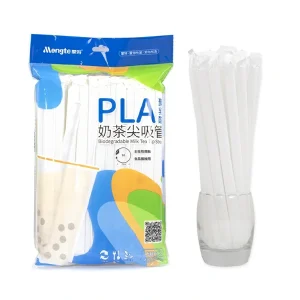
The quest for a perfect disposable stirrer has led to innovation in bioplastics and waste-stream utilization. Polylactic Acid (PLA) is a prominent example. It is a polymer made from renewable resources like corn starch or sugarcane. In its appearance and feel, PLA is very similar to traditional plastic, offering a familiar user experience. It is clear, smooth, and does not impart any taste. However, its performance in hot liquids can be a significant issue. Standard PLA has a low melting point and can warp, soften, or even deform when used to stir a very hot coffee. A crystallized version, CPLA, is more heat-resistant but also more expensive.
The most significant challenge for PLA is its end-of-life requirements. While it is often marketed as “biodegradable,” this is only true under very specific conditions. PLA will not break down in a backyard compost pile, in the ocean, or in a landfill. It requires the high heat and specific microbial environment of an industrial composting facility to properly decompose (Nárancic et al., 2018). In many regions, such facilities are not widely available to the public or even to businesses. If PLA ends up in a conventional plastic recycling bin, it can contaminate the entire batch of recyclable material. Therefore, the “eco-friendliness” of PLA is entirely dependent on the existence of a corresponding waste management infrastructure.
Another promising material is sugarcane bagasse. This is the fibrous pulp that is left over after juice has been extracted from sugarcane stalks. It is essentially a waste product from the sugar industry. This material can be molded using heat and pressure into various forms, including stirrers, plates, and bowls. Bagasse products are sturdy, have good heat resistance, and do not impart taste. They are fully biodegradable and compostable, even in a home compost setting. Using bagasse turns an agricultural waste stream into a valuable resource, an excellent example of a circular economy principle. Its availability, however, is tied to the geography of sugarcane production.
The Economic Calculus: Cost-Benefit Analysis for Cafe Owners
For any cafe owner or procurement manager, the decision of which coffee stirrer to stock is not just an ethical or environmental one; it is fundamentally an economic one. The choice impacts the bottom line through direct purchase costs, but also through a more complex web of indirect costs and value propositions that affect brand perception and customer loyalty. A prudent analysis requires looking beyond the price-per-unit and considering the total cost of ownership and the potential return on investment from making a more thoughtful choice.
Direct Costs: Bulk Pricing and Procurement Strategies
The most immediate and tangible economic factor is the direct cost of the stirrers themselves. When purchasing in large quantities, these costs are typically measured in fractions of a cent per unit. On this simple metric, the traditional plastic stirrer has long been the undisputed champion. Its low material cost and highly optimized manufacturing process make it the cheapest option available when you buy pailles en vrac and stirrers.
Wooden stirrers are the next step up in the cost hierarchy. They are generally more expensive than plastic but remain a very affordable option, often only a fraction of a cent more per unit. The price can vary depending on the quality of the wood and the smoothness of the finish. Bamboo stirrers typically fall into a similar or slightly higher price bracket than wood. Their cost is influenced by processing methods and the logistics of shipping from their primary regions of cultivation. The most expensive options are typically the bioplastics like PLA and CPLA. The more complex manufacturing process for these polymers, along with a less mature supply chain, results in a higher per-unit cost.
For a business that uses thousands of stirrers a day, these small differences can add up to a significant annual expense. The economic decision often involves finding a supplier who can offer competitive pricing on the desired product. A leading supplier of high-quality disposable tableware can often provide a range of options, allowing a business to find the right balance of cost and quality for its needs.
| Stirrer Type | Estimated Cost per 1,000 Units (USD) | Key Value Proposition | Hidden Cost / Risk |
|---|---|---|---|
| Plastic (PS) | $1.50 – $3.00 | Lowest possible unit cost | Negative brand perception; potential future regulation/taxes |
| Wood (Birch) | $3.00 – $6.00 | Good balance of cost and eco-credentials | Potential for minor taste transfer; variable quality |
| Bamboo | $4.00 – $8.00 | Strong sustainability story; premium feel | Higher cost; carbon footprint of transportation |
| PLA | $6.00 – $12.00 | Modern, high-tech eco image | Requires industrial composting; customer confusion |
| Reusable (Metal) | $500+ (initial investment) | Lowest long-term cost; zero waste | Labor for washing; risk of theft; initial capital outlay |
Indirect Costs: Waste Management and Brand Reputation
A purely transactional cost analysis is incomplete because it ignores significant indirect costs. One such cost is waste management. In some municipalities, businesses are charged for waste disposal based on weight or volume. While stirrers are small, in aggregate they contribute to the waste stream. More importantly, as regulations around single-use plastics tighten, some jurisdictions are introducing levies, taxes, or fines on businesses that continue to use them. These potential future regulatory costs must be factored into any long-term economic planning.
A far more significant, though less quantifiable, indirect cost is the impact on brand reputation. In 2026, consumers are more environmentally aware than ever before. A customer’s experience in a cafe is a holistic one, comprised of many small details. The choice of a coffee stirrer is one of those details. Handing a customer a flimsy, cheap plastic stirrer alongside a premium, artisanal coffee creates a moment of brand dissonance. It can subtly communicate that the business prioritizes cost-cutting over quality or environmental responsibility. Conversely, providing a sturdy, smooth wooden or bamboo stirrer can reinforce a message of quality and care. This positive association can foster customer loyalty, which is an invaluable economic asset. The stirrer becomes a physical token of the brand’s values. The small additional expense for a better stirrer can be viewed not as a cost, but as a micro-investment in marketing and brand building.
The Value Proposition of Eco-Friendly Options
Choosing a more sustainable stirrer, such as one made from wood or bamboo, can be framed as a value proposition rather than just an expense. This choice can be a powerful tool for market differentiation. In a crowded marketplace of cafes, any element that sets a business apart can be a competitive advantage. Actively promoting the use of sustainable materials can attract a specific demographic of environmentally conscious consumers. It provides a story to tell on social media, on signage within the cafe, and in conversations with customers.
This is not just about perception; it can have tangible benefits. Some customers are willing to pay a slight premium for products from businesses they perceive as being ethically and environmentally responsible (Tully & Piquero, 2021). The choice to eschew plastic can become a core part of the brand’s identity, aligning it with a global movement towards sustainability. This alignment can also improve employee morale. Staff often feel more proud to work for a company that demonstrates a commitment to positive values. In this light, the few extra dollars spent per case on bamboo stirrers instead of plastic ones can generate a return on investment through increased customer loyalty, a stronger brand identity, and a more motivated workforce. This comprehensive view helps in understanding what is a coffee stirrer: meaning, types & uses beyond its physical form.
The User Experience: A Stirrer’s Role in Customer Perception
The interaction between a customer and a coffee stirrer is brief, yet it is a deeply sensory experience. The choice of stirrer has a tangible impact on how a customer perceives not only the beverage but the establishment itself. This interaction engages multiple senses—touch, sight, and even taste—and contributes to the overall narrative of the brand. In the competitive landscape of food and beverage service, overlooking these “micro-interactions” is a missed opportunity.
Tactile Sensation and Mouthfeel
The first point of contact is tactile. As the customer’s fingers close around the stirrer, their brain processes a wealth of information. Is it light and flimsy, or does it have a pleasing weight and rigidity? Is the surface cold, hard, and unnaturally smooth like plastic, or does it have the subtle texture and warmth of a natural material like wood or bamboo? A plastic stirrer that bends or flexes as it encounters the resistance of the liquid can feel cheap and inadequate. A sturdy wooden or bamboo stirrer that feels solid and robust in the hand inspires confidence.
This tactile experience extends to what is known as “mouthfeel.” Many people use their stirrer to take a tentative first sip, or they may put the stirrer in their mouth after mixing. The sensation of a material against the lips and tongue is a very personal one. Plastic is inert and smooth. Wood offers a different, more organic texture. Some may find this natural feeling pleasant, while others might be sensitive to the texture or the faint possibility of a splinter from a low-quality stirrer. Bamboo generally offers a very smooth and neutral mouthfeel. Understanding these subtle sensory inputs is part of creating a holistic and satisfying customer journey.
Visual Aesthetics: Aligning Stirrers with Brand Identity
Before it is even touched, the stirrer is seen. Its visual appearance should be in harmony with the cafe’s overall aesthetic and brand identity. A cafe that has invested heavily in a rustic, artisanal decor with reclaimed wood and handcrafted ceramics would create a jarring visual contradiction by offering mass-produced plastic stirrers. A sleek, sturdy wooden or bamboo stirrer would complement and enhance this aesthetic. Conversely, a modern, minimalist cafe might find that a high-quality, well-designed CPLA stirrer or a sleek, black wooden stirrer aligns with its brand.
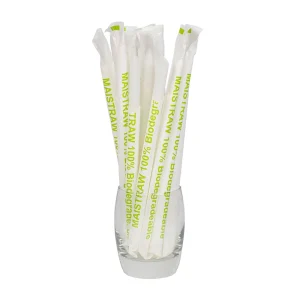
The color, shape, and even the packaging of the stirrers contribute to this visual story. Are they dumped unceremoniously in a plastic cup, or are they presented neatly in a dispenser made of ceramic or stainless steel? Some businesses choose to have their logo custom-printed on the stirrer or its wrapper, transforming a simple utensil into a piece of marketing collateral. Every visual detail signals to the customer the level of care and intentionality the business invests in its operations. A thoughtful choice of stirrer demonstrates an attention to detail that customers can infer extends to the quality of the coffee and the food as well.
The Message of Sustainability: What Your Choice Communicates
In the current climate, the material of the stirrer sends the most powerful message of all. The choice is a public declaration of the business’s stance on the issue of single-use plastics and environmental responsibility. A plastic stirrer, fairly or not, can be interpreted as a sign of indifference or a prioritization of cost above all else. It might suggest to the customer that the business is not current with contemporary environmental issues.
On the other hand, a non-plastic alternative immediately communicates a different set of values. It tells the customer that the business has made a conscious, deliberate choice to be more sustainable. It signals that the business is willing to potentially absorb a higher cost to do the right thing. This act can build a bond of shared values between the business and the customer. The customer feels good about supporting a business that aligns with their own ethical framework. The stirrer ceases to be just a stirrer; it becomes a symbol of a shared commitment to a healthier planet. This symbolic power is immense and can be a far more effective marketing tool than traditional advertising, as it is based on authentic action rather than just words. A practical coffee stirrer guide can help navigate these choices.
Navigating the Regulatory and Environmental Landscape of 2026
Operating a food and beverage business in 2026 requires a keen awareness of a rapidly evolving regulatory and environmental landscape. The global consensus on the need to reduce plastic pollution has translated into a patchwork of local, national, and international laws that directly affect procurement choices for items like coffee stirrers. Understanding these regulations, as well as the scientific nuances behind terms like “biodegradable,” is no longer optional; it is a core business competency.
Global Bans on Single-Use Plastics
The past decade has seen a dramatic acceleration in legislation aimed at curbing single-use plastic pollution. The European Union’s Single-Use Plastics Directive, which came into force in 2021, was a landmark piece of legislation, banning items like plastic cutlery, plates, and stirrers across the member states (European Commission, 2019). This has spurred similar actions around the world. Nations from Canada to South Korea, and numerous states and cities within the United States, have implemented their own bans or restrictions.
For a business owner, this means that the availability and legality of certain products can change rapidly. What was permissible last year may be prohibited today. These regulations often target specific types of plastic or specific products. For example, some laws ban polystyrene outright, while others focus on oxo-degradable plastics, which were once marketed as a solution but are now known to create microplastics more quickly. Staying informed about the current and pending legislation in every jurisdiction where a business operates is paramount. This regulatory pressure is a primary driver behind the shift towards wood, bamboo, and other alternative materials. It is also pushing innovation in the development of new, more genuinely sustainable materials.
Understanding “Biodegradable” vs. “Compostable”
The language of sustainable products can be confusing and is sometimes intentionally misused in marketing. Two of the most important terms to understand are “biodegradable” and “compostable.” “Biodegradable” is a very general term. It simply means that a material can be broken down by microorganisms into its constituent elements. However, the term itself carries no timeframe. Wood is biodegradable, but a large log could take decades to break down. A plastic bag is also technically biodegradable, but it might take 500 years. Because of its vagueness, the term “biodegradable” on a product can be misleading.
“Compostable” is a more specific and useful term. It means that a material can break down in a composting environment within a specific timeframe, leaving no toxic residue behind. There are certifications for compostability, such as those from the Biodegradable Products Institute (BPI) in North America or TÜV Austria in Europe. These certifications further distinguish between “industrially compostable” and “home compostable.” As discussed earlier with PLA, some materials require the high temperatures of an industrial facility. Others can break down in the lower temperatures of a backyard compost bin. For a business, claiming a product is “eco-friendly” because it is compostable is only meaningful if the business has a system to ensure those products actually get to a composting facility. Otherwise, a “compostable” stirrer that ends up in a landfill will behave much like a non-compostable one, producing methane as it slowly decomposes in an anaerobic environment.
The Role of Local Waste Management Infrastructure
The ultimate environmental impact of any disposable item is determined less by the material itself and more by the local waste management infrastructure available at the point of disposal. A coffee stirrer made of CPLA, a heat-resistant bioplastic, is a marvel of material science. In a city with a well-established municipal organic waste collection program that feeds into an industrial composting facility, it is an excellent environmental choice. However, in a city where no such facility exists, that same CPLA stirrer is a problematic piece of waste. It cannot be recycled with other plastics, and it will not biodegrade in a landfill.
This highlights the need for business owners to be not just material experts, but also experts in their local waste disposal systems. Before committing to a particular type of “eco-friendly” stirrer, one must ask: What are the actual disposal options available to my business and my customers? Does my municipality offer commercial composting services? Is there a private waste hauler that can handle these materials? If the answer is no, then a simpler, more robustly biodegradable material like wood or bamboo, which will break down in a wider range of conditions, might be a more genuinely sustainable choice. The best environmental decision is always a context-dependent one. A deep dive into what is a coffee stirrer: meaning, types & uses reveals this complex dependency on external systems.
Practical Applications and Innovative Uses
While the primary function of a coffee stirrer is to mix a beverage, its utility does not end there. Creative professionals in the food and beverage industry, as well as in other fields, have found innovative applications for this simple object. From hybrid designs that merge functions to artistic uses in presentation, the coffee stirrer demonstrates a surprising versatility.
Beyond Coffee: Stirrers for Cocktails, Teas, and More
The same principles of mixing apply to a wide range of beverages beyond coffee. In the world of mixology, a stirrer, often called a “swizzle stick,” is an indispensable tool. It is used to gently mix or layer ingredients in a cocktail without over-agitating them, as a shaker would. The choice of stirrer in a high-end cocktail bar is just as important as in a cafe. A long, elegant bamboo or high-quality wooden stirrer can complement the aesthetics of a carefully crafted cocktail. Shorter stirrers are also perfect for serving hot tea, allowing customers to mix in honey or milk, or simply to help cool the beverage by dunking the tea bag. They are also used for hot chocolate, bouillons, and any other beverage that requires the mixing of a powder or liquid concentrate into a base.
The Rise of the “Sip Stirrer”: A Hybrid Approach
One of the most common designs for plastic stirrers has been the small, hollow tube, often with a tiny spoon-like shape at the end. This design is a hybrid: it functions as a stirrer, but its hollow form also allows it to be used as a rudimentary straw for taking a small, cautious sip of a hot beverage. This “sip stirrer” functionality is a beloved feature for many. As businesses move away from plastic, there has been a challenge to replicate this dual function in other materials. Some companies have developed paper or PLA versions of the sip stirrer. Others have focused on creating very thin pailles biodégradables that can also serve as effective stirrers. This pursuit of a sustainable sip stirrer illustrates the constant innovation in the field, driven by consumer habits and functional demands.
Creative and Artistic Uses in Food Presentation
Beyond their functional role, coffee stirrers can be used as creative elements in food and art. Chefs and caterers use them as skewers for small appetizers like fruit or cheese cubes. They can be used to hold together small sandwiches or wraps. In baking, they are used for cake pop sticks or for creating detailed decorations with icing or melted chocolate. Their uniform size and shape also make them a popular material for craft projects, from miniature furniture for dioramas to complex geometric sculptures. This demonstrates that the value of an object is not limited to its intended purpose. With a little creativity, even the humble coffee stirrer can be transformed into a tool for artistic expression.
FAQ: Answering Your Pressing Questions
1. What is the most environmentally friendly coffee stirrer in 2026? There is no single “most friendly” option; it is context-dependent. If a reliable industrial composting facility is available, CPLA or sugarcane bagasse are excellent choices. If not, stirrers made from sustainably sourced (e.g., FSC-certified) wood or bamboo are generally the best bet, as they biodegrade in a wider range of natural conditions. The key is to match the material to the local waste management infrastructure.
2. Will wooden stirrers make my coffee taste like wood? For the vast majority of people, the answer is no. High-quality wooden stirrers, typically made from white birch, are processed to be neutral. However, a very small percentage of individuals with extremely sensitive palates might perceive a faint woody note. It is always a good idea to test a sample with your specific coffee blend.
3. Are bamboo stirrers really better than wood? Bamboo’s primary advantage is its incredible speed of growth and its ability to regenerate without replanting, making it a highly renewable resource. From a performance and end-of-life perspective, it is very similar to wood. The main consideration is the carbon footprint associated with transporting bamboo products from Asia, where most are produced, to other parts of a world. A locally sourced wooden stirrer may have a lower transport footprint than a bamboo one.
4. Why are plastic stirrers so bad if they’re sent to a landfill? While landfills are designed to contain waste, they are not hermetically sealed. Plastics do not biodegrade; they slowly break down into microplastics. These tiny particles can leach out of landfills over time and contaminate soil and groundwater. Furthermore, the fundamental problem is the use of a material that lasts for centuries to perform a task that lasts for seconds. It represents a significant waste of resources and creates a long-term pollution problem.
5. Can I just use metal spoons instead of disposable stirrers? Absolutely. For a dine-in experience, using reusable metal or ceramic spoons is the most sustainable option, as it eliminates waste entirely. The main challenges are the initial investment in spoons, the labor and resources (water, energy, soap) required for washing, and the risk of theft. For a high-volume, takeout-focused business, the logistics of reusable spoons can be prohibitive, which is why disposable stirrers remain necessary.
6. What is the difference between a coffee stirrer and a swizzle stick? Functionally, they are very similar. The terms are often used interchangeably. “Coffee stirrer” is more common in a cafe context for hot beverages. “Swizzle stick” is more frequently used in a bar or lounge context for alcoholic cocktails. Swizzle sticks are often longer and sometimes more decorative than a standard coffee stirrer.
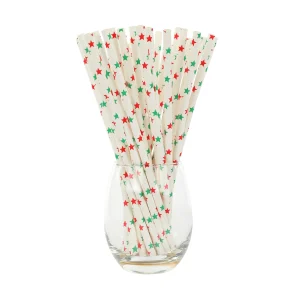
7. Are paper stirrers a good option? Paper stirrers, similar to paper straws, can be a good alternative to plastic. They are made from a renewable resource and are biodegradable. However, their main drawback is a lack of rigidity, especially in very hot liquids. They can become soft and lose their stirring effectiveness. Multi-ply or coated paper stirrers perform better but are more complex and expensive to produce.
Conclusion
The humble coffee stirrer, an object of fleeting utility, serves as a powerful lens through which we can examine some of the most pressing issues of our time. The journey from a simple desire for a well-mixed beverage to the selection of a specific utensil involves a complex negotiation between function, cost, aesthetics, and ethics. The transition from the unquestioned dominance of plastic to a diverse marketplace of wood, bamboo, and bioplastics reflects a broader societal shift in consciousness.
For the business owner, the choice is no longer a simple matter of procurement but a strategic decision that reverberates through their brand identity, customer relationships, and environmental legacy. A deep analysis of what is a coffee stirrer: meaning, types, & uses reveals that there is no single perfect solution, no universal best buy. The optimal choice is contingent on a thoughtful consideration of local regulations, available waste infrastructure, brand positioning, and customer values. The act of choosing a stirrer is an act of balancing competing virtues: the affordability of plastic, the renewability of bamboo, the compostability of PLA, and the natural feel of wood. This decision, though small, is a tangible expression of a company’s values in a world that is paying ever-closer attention.
References
European Commission. (2019). Directive (EU) 2019/904 of the European Parliament and of the Council on the reduction of the impact of certain plastic products on the environment.
Nárancic, T., O’Connor, K. E., & Kenny, S. T. (2018). The fate of biodegradable plastics in the environment. In Waste and Biomass Valorization, 9(3), 409-418.
Thompson, R. C., Moore, C. J., vom Saal, F. S., & Swan, S. H. (2009). Plastics, the environment and human health: a critical review. Philosophical Transactions of the Royal Society B: Biological Sciences, 364(1526), 2153–2166.
Tully, S. M., & Piquero, A. R. (2021). What’s the “price” of a sustainable world? The influence of a sustainability mindset on price sensitivity. Journal of Marketing, 85(4), 117-133.
Van der Lugt, P., Van den Dobbelsteen, J. J., & Janssen, J. J. A. (2006). An environmental, economic and social assessment of bamboo as a building material for single-family housing in the tropics. In World Bamboo and Rattan Congress.