




 JA
JA  EN
EN  FR
FR  ES
ES  RU
RU  DE
DE  KO
KO Plastic straws have become one of the most common disposable products used around the world. But many people often ask: where are plastic straws manufactured? This question matters not only to consumers but also to businesses that rely on reliable suppliers for disposable tableware. Below, we will explore the global production of plastic straws, key manufacturing hubs, and alternatives like paper and biodegradable straws.

プラスチック・ストローの世界製造
The production of plastic straws is concentrated in several regions worldwide. Most large-scale manufacturing happens in China, which accounts for the majority of global exports. Countries like India, Indonesia, and Vietnam are also important hubs due to their growing manufacturing capacity and lower labor costs. According to UN Comtrade statistics (2023), China alone contributes to more than 60% of plastic straw exports globally.
Another significant region is the United States, where smaller-scale production continues to serve domestic markets, though imports dominate due to cost efficiency. European countries have largely reduced their plastic straw production in response to the EU Single-Use Plastics Directive (2019/904), which bans single-use plastic straws across member states.
Key Factors Driving Plastic Straw Manufacturing
Cost and Material Availability
Plastic straws are typically made from polypropylene (PP) or polystyrene (PS). Manufacturers often choose production sites close to petrochemical supply chains. This makes Asia, with its strong raw material availability and industrial infrastructure, the leading hub.
Labor and Production Scale
Countries with large labor forces and advanced machinery are best suited for mass-scale straw production. This explains why China and Southeast Asian countries dominate the market.
Alternatives to Plastic Straws
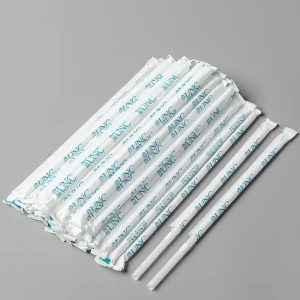
Due to rising environmental concerns, the demand for eco-friendly alternatives is growing rapidly. Many consumers and businesses are turning to options such as 紙藁 そして 生分解性ストロー. These options are more sustainable and align with international efforts to reduce single-use plastics.
- 紙ストロー are made from biodegradable and compostable materials, typically paper or cardboard. They break down faster than plastic, making them more eco-friendly.
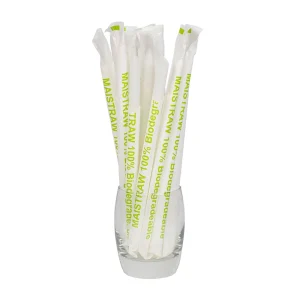
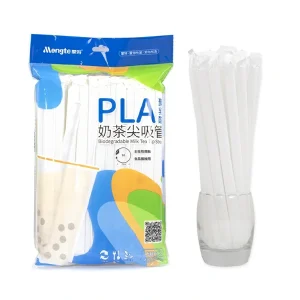
- 生分解性ストロー, such as PLA straws, are designed to decompose in industrial composting facilities, reducing environmental impact.
Role of Reliable Drinking Straw Suppliers
For businesses sourcing straws, working with a trusted ストロー is critical. Suppliers with years of experience can ensure consistent product quality, competitive pricing, and eco-friendly alternatives.
Yiwu Mengte Commodities Co., Ltd., with over 20 years of experience, is a leading manufacturer and supplier of disposable tableware. We provide a wide range of straws, including premium plastic straws, paper straws, and biodegradable straws, tailored to meet customer needs worldwide. By combining high-quality production with sustainable innovation, we support businesses in balancing cost, performance, and environmental responsibility.
The Future of Plastic Straw Manufacturing
While plastic straw production continues in many countries, the future lies in alternatives. Government regulations, consumer preferences, and corporate sustainability initiatives are reshaping the market. More suppliers are transitioning from plastic to eco-friendly options to stay competitive.
As a supplier, we not only meet the demand for traditional products but also promote sustainable solutions, helping clients adapt to changing global trends.
結論
So, where are plastic straws manufactured? Most are produced in China and other Asian countries due to their industrial scale, raw material availability, and cost efficiency. However, with rising environmental awareness, businesses and consumers are increasingly shifting to eco-friendly options like paper and biodegradable straws.
If you are looking for a reliable partner for your disposable tableware needs, we are here to help. お問い合わせ today to explore our range of plastic straws, paper straws, and biodegradable alternatives.