




 KO
KO  EN
EN  FR
FR  ES
ES  RU
RU  DE
DE  JA
JA Abstract
The global shift towards sustainable consumption has positioned single-use wooden cutlery as a principal alternative to plastic, compelling businesses to navigate the complex landscape of sourcing. This analysis examines the critical factors for vetting wooden cutlery suppliers in the 2026 market, a process that extends beyond mere cost analysis to encompass a holistic evaluation of a supplier’s ethical, operational, and logistical integrity. It explores seven fundamental pillars: material sourcing and certification, production capabilities and quality assurance, supply chain resilience, innovation and customization, corporate and social compliance, financial stability, and communicative partnership. Through a detailed examination of these facets, the article provides a comprehensive framework for businesses in diverse international markets, including Europe and Asia, to forge reliable and responsible partnerships. The objective is to equip decision-makers with the necessary knowledge to mitigate risks, ensure product quality and safety, and align their procurement strategies with both consumer expectations and a commitment to environmental stewardship.
Key Takeaways
- Scrutinize a supplier’s material sourcing for FSC or PEFC certifications to ensure sustainability.
- Evaluate production capacity and quality control to guarantee consistent, food-safe products.
- Assess supply chain resilience to avoid disruptions and ensure timely order fulfillment.
- Prioritize wooden cutlery suppliers who offer customization and product innovation.
- Verify compliance with international labor, safety, and environmental standards.
- Investigate a supplier’s financial history and market reputation for long-term stability.
- Foster strong communication to build a strategic partnership, not just a transaction.
Table of Contents
- Factor 1: Material Sourcing and Certification Scrutiny
- Factor 2: Production Capabilities and Quality Assurance Protocols
- Factor 3: Supply Chain Resilience and Logistical Prowess
- Factor 4: Customization, Innovation, and Product Range
- Factor 5: Compliance, Social Responsibility, and Corporate Ethics
- Factor 6: Financial Stability and Business Reputation
- Factor 7: Communication and Partnership Potential
- Frequently Asked Questions about Sourcing Wooden Cutlery
- 결론
- References
Factor 1: Material Sourcing and Certification Scrutiny
The journey of a single wooden fork from a forest to a consumer’s hand is a story of environmental and ethical choices. When a business decides to source wooden cutlery, its first and most profound responsibility lies in understanding the origin of that wood. This initial step is not a mere formality; it is the very foundation upon which a brand’s sustainability claim rests. In an era of heightened consumer awareness, the narrative of your product begins in the forest, and a misstep here can undermine your entire environmental platform. Let us consider this not as a procurement task but as an ethical inquiry into the heart of your supply chain. How can one truly know that the materials are sourced responsibly? The answer lies in a meticulous examination of certifications, wood species, and the unbroken chain of custody.
The Ethical Imperative of Sustainable Forestry
Imagine two seemingly identical wooden spoons. One originates from an illegally cleared, ancient forest, contributing to habitat loss and ecological devastation. The other comes from a carefully managed forest where harvesting is balanced with replanting, biodiversity is protected, and the rights of local communities are respected. To the naked eye, they are the same, but their ecological and ethical footprints are worlds apart. This is the core challenge that sustainable forestry certifications aim to solve.
The Forest Stewardship Council (FSC) and the Programme for the Endorsement of Forest Certification (PEFC) are the two most globally recognized standards. They function as independent, third-party auditors that provide an assurance of responsible forest management. When a supplier claims their products are FSC-certified, it means the wood is traceable back to a forest that has been audited against a strict set of principles. These principles cover a vast range of criteria, including the maintenance of ecosystem functions, the protection of rare species, the prevention of illegal logging, a prohibition on the use of hazardous chemicals, and the upholding of workers’ and indigenous peoples’ rights (FSC, 2022).
Think of an FSC or PEFC logo not as a marketing badge but as a legal document of ecological integrity. Vetting wooden cutlery suppliers properly means you must demand to see their certification credentials. Do not stop at a verbal confirmation or a logo on a website. Ask for their specific certification code. You can then verify this code directly on the FSC or PEFC public databases. This simple act of verification separates due diligence from blind trust. Does the certificate apply to the specific wood species you are purchasing? Is the certificate current, or has it expired? A supplier who is genuinely committed to sustainability will welcome this level of scrutiny and will have all documentation readily available. A supplier who hesitates or provides vague answers should be a significant red flag.
Understanding Wood Species: Birch, Bamboo, and Beyond
The choice of wood species is far from a trivial aesthetic decision. It has profound implications for the product’s performance, cost, and environmental impact. The most common materials used by wooden cutlery suppliers are birch, bamboo, and sometimes pine or poplar. Each carries its own set of characteristics that a discerning buyer must understand.
| Feature | Birch Wood | Bamboo | Pine Wood |
|---|---|---|---|
| Material Type | Hardwood | Grass (Rapidly Renewable) | Softwood |
| 지속 가능성 | Harvested from managed forests, often in Northern Europe or North America. Slower regrowth cycle than bamboo. Requires FSC/PEFC certification for verification. | Extremely fast-growing grass, requires less water, no pesticides. Can be harvested in 3-5 years. Often considered highly sustainable. | Fast-growing, but as a softwood, it is less durable and more prone to splintering. Sourcing must be from certified managed forests. |
| Durability & Texture | Strong, with a fine, uniform grain. Low porosity makes it smooth and less likely to absorb flavors. Resists splintering when properly manufactured. | Very strong and lightweight. Naturally has a more fibrous texture. Quality depends heavily on the manufacturing process to ensure smoothness. | Softer and less dense than birch. Can have a more prominent grain and is more susceptible to splintering if not processed to a high standard. |
| Aesthetic & Taste | Pale, clean, and modern appearance. Almost completely neutral in taste and odor, making it ideal for food contact. | Can have a more natural, slightly yellowish look. Some lower-quality bamboo can impart a faint “woody” taste if not treated correctly. | Generally pale with a distinct grain pattern. Can sometimes have a resinous odor or taste if not properly dried and finished. |
| Cost Profile | Generally considered a mid-to-high range option due to its quality and slower growth cycle. | Often cost-effective due to its rapid growth and abundance, but high-quality, well-finished bamboo can be comparable to birch. | Typically a lower-cost option, but this often comes at the expense of durability and a premium feel. |
Birch is often favored for premium disposable cutlery. Its tight grain and inherent strength allow for the creation of smooth, splinter-free utensils that feel substantial in the hand. It is also tasteless and odorless, ensuring that it does not interfere with the culinary experience. When sourcing birch, the key question for a supplier is its origin. Is it from the vast, responsibly managed forests of Northern Europe, or from less regulated regions?
Bamboo, technically a species of grass, is celebrated for its remarkable sustainability profile. It is one of the fastest-growing plants on Earth, requires no pesticides, and self-regenerates from its own roots, minimizing soil disturbance. However, not all bamboo is equal. The manufacturing process to turn hard bamboo stalks into smooth cutlery is intensive. Poorly processed bamboo can be fibrous, rough, and may impart a slight taste. When evaluating a supplier of bamboo cutlery, your questions should focus on their manufacturing techniques. How do they achieve a smooth finish? Are any chemical treatments used, and if so, are they food-safe?
Understanding these material differences allows you to align your product with your brand identity and target market. Are you serving a high-end catering client in Paris who values a flawless, smooth utensil? Birch may be the superior choice. Are you supplying a music festival in California where the primary message is overt environmentalism? The story of rapidly renewable bamboo might resonate more strongly. A knowledgeable supplier should be able to discuss these nuances with you, acting as a consultant rather than just an order-taker.
Verifying the Chain of Custody: A Non-Negotiable Step
The Chain of Custody (CoC) is the final piece of the sourcing puzzle. An FSC or PEFC CoC certification guarantees that the certified material has been tracked and identified through every stage of the production process, from the forest to the final product leaving the factory (PEFC, 2020). Without this, a certification on the raw material is meaningless.
Imagine a factory that buys both certified and non-certified lumber. How do you know that your specific order of cutlery was made from the certified batch? The CoC system solves this. It requires the supplier to have rigorous internal management systems to keep certified materials separate from non-certified ones. Auditors verify these systems, checking invoices, production records, and inventory management.
When vetting wooden cutlery suppliers, you must ask about their CoC certification. A supplier like Mengte Commodities, which handles various materials including wood, paper, and PLA, must demonstrate a robust system to manage these different supply chains. Their ability to produce documentation that traces a batch of wooden forks back to a specific shipment of certified birch logs is the ultimate proof of their commitment. This is not about mistrust; it is about shared responsibility. By demanding this level of transparency, you are protecting your own brand from the risks of “greenwashing” and becoming a genuine partner in the global effort to promote sustainable forestry. Your customers, in turn, can trust that the eco-friendly choice they are making is backed by a verifiable and unbroken chain of accountability.
Factor 2: Production Capabilities and Quality Assurance Protocols
Once the ethical sourcing of raw materials is confirmed, the investigative lens must turn inward, toward the factory floor. The transformation of a log of birch or a stalk of bamboo into a smooth, safe, and functional utensil is a delicate dance of machinery, technique, and relentless quality control. A supplier’s production capability is not merely about the quantity they can produce; it is about the quality and consistency they can maintain at scale. For a business owner in Germany, where food contact regulations are among the strictest in the world, or for a restaurant chain in Japan, where aesthetic perfection is paramount, the supplier’s manufacturing process is of utmost significance. This evaluation requires a deep dive into their technology, their finishing processes, their quality checkpoints, and the international safety standards they adhere to.
Assessing Manufacturing Scale and Technology
The scale of a supplier’s operation is a direct indicator of their ability to handle large, consistent orders. A small workshop may produce beautiful, artisanal pieces, but can it reliably supply a national distributor or a major event company? When you approach wooden cutlery suppliers, you are looking for evidence of investment in modern, efficient, and preferably automated manufacturing.
Consider the journey of a wooden spoon. It begins with raw lumber being cut, then pressed into thin veneer sheets. These veneers are then die-cut into the shape of the spoon. Each of these steps presents an opportunity for defects. An older, poorly maintained die-cutter might leave rough, splintered edges. A manual process might lead to inconsistencies in shape and thickness from one batch to the next.
In contrast, a supplier with advanced, automated production lines, like those described by the Yiwu-based manufacturer Mengte, offers a higher degree of precision and consistency . Automation minimizes human error, ensuring that the ten-thousandth fork is identical to the first. High-capacity injection lines and fully automatic assembly lines signify a manufacturer that has invested in scalability. Ask potential suppliers about their production capacity. How many pieces can they produce per day or per month? What is their current utilization rate? A factory running at 99% capacity may struggle to accommodate your new order or handle a sudden surge in demand. A supplier with a stated annual output of billions of units and dozens of production lines demonstrates a capacity to be a long-term, scalable partner. This is not just about big numbers; it is about the security of knowing your supply chain will not break as your own business grows.
The Science of a Splinter-Free Finish: Sanding, Polishing, and Coating
The single greatest fear for a consumer using wooden cutlery is a splinter. A single negative experience can create a lasting aversion. The difference between a high-quality, smooth utensil and a hazardous one lies in the finishing process. This is where true craftsmanship and industrial science converge.
After being die-cut, the raw wooden utensils are rough. They must undergo a tumbling or sanding process. This typically involves placing large batches of the cutlery into a large rotating drum filled with abrasive media. The duration, speed of rotation, and type of abrasive are all critical variables that a quality manufacturer has perfected. Too little sanding, and the utensils remain rough. Too much, and fine details like the tines of a fork can be worn down.
Following sanding, some premium products may be polished to create an even smoother, almost silky surface. This can be a dry polishing process or may involve a light, food-grade coating. If a coating is used, its composition is of paramount importance. Is it a simple food-grade wax like carnauba wax, or a mineral oil? The supplier must be able to provide a complete material safety data sheet (MSDS) for any coating used. For markets in Europe, any coating must comply with the specific regulations for materials intended to come into contact with food.
When you speak with potential wooden cutlery suppliers, ask them to describe their finishing process in detail. What is their multi-step process for ensuring a smooth finish? What is their rejection rate for pieces that do not meet their smoothness standard? Can they provide samples from different production runs to demonstrate consistency? A confident supplier will be proud to explain the science behind their smooth finish. It is a key differentiator that separates professional manufacturers from basic workshops.
Quality Control Checkpoints: From Raw Material to Final Packaging
A robust quality assurance (QA) program is not a single event but a continuous process woven into the fabric of production. It begins before the first piece of wood is even cut.
- Raw Material Inspection: Upon arrival at the factory, the wood should be inspected for moisture content, knots, discoloration, and other defects. A high moisture content can lead to warping or mold growth later on.
- In-Process Checks: Operators and supervisors on the production line should be trained to perform visual checks at each stage. After die-cutting, are the edges clean? After sanding, is the surface uniformly smooth? These checks catch problems early, preventing thousands of defective units from being produced.
- Final Batch Testing: Before packaging, a random sample from each production batch should be subjected to a more rigorous inspection. This includes dimensional checks (is the spoon the correct length and width?), stress tests (does the fork snap under reasonable pressure?), and a close visual and tactile inspection for any splinters, cracks, or blemishes.
- Packaging and Storage: Quality control extends to the final packaging. Is the packaging robust enough to protect the cutlery during transit? Are the cartons properly sealed to prevent contamination from moisture or pests during storage in a warehouse?
Ask the supplier to walk you through their QA flowchart. Who is responsible for quality at each stage? What are the documented standards for acceptance and rejection? Do they have ISO 9001 certification? An ISO 9001 certification is not just a piece of paper; it is an external validation that the company has a structured, documented, and effective quality management system in place (ISO, 2015). This system-wide approach to quality provides a much higher level of confidence than a simple promise of “good quality.”
Food-Grade Safety Certifications
While a smooth finish addresses the physical safety of the user, chemical safety is equally vital. The cutlery will be in direct contact with food, which can then be ingested. Therefore, compliance with international food-grade safety standards is not optional. The main certifications vary by region, and a global supplier must be able to meet multiple standards.
| Certification | Primary Region | Key Focus and Testing Requirements | Implications for Businesses |
|---|---|---|---|
| LFGB (Lebensmittel-, Bedarfsgegenstände- und Futtermittelgesetzbuch) | Germany / European Union | Extremely strict. Prohibits the transfer of any substances to food that could endanger human health or cause an unacceptable change in the composition or taste of the food. Tests for heavy metals, plasticizers, sensory changes (taste/odor). | Considered the gold standard. LFGB compliance provides strong assurance of safety and is highly valued in the EU market. Suppliers must provide detailed test reports from accredited labs. |
| FDA (Food and Drug Administration) | United States | Regulates “Food Contact Substances.” The material must be formulated from substances that are generally recognized as safe (GRAS) or have been approved through a Food Contact Notification (FCN) process. Focuses on the composition of the material. | Essential for any business selling into the North American market. It is a baseline requirement, and suppliers should be able to provide a letter of guarantee or relevant compliance documentation. |
| BRC (British Retail Consortium) | United Kingdom / Global | A Global Standard for Food Safety. It is a comprehensive framework covering hygiene, food safety, and quality systems. While focused on food production, its packaging standards (BRCGS for Packaging Materials) are highly relevant. | BRC certification indicates a supplier has a very mature and holistic approach to safety and quality management, often required by major UK and international retailers. It goes beyond the product to audit the entire factory environment. |
When vetting wooden cutlery suppliers, you must specify which certification you require for your target market. A supplier aiming to serve a global clientele, from Spain to South Korea, should be familiar with these acronyms and have the corresponding test reports from accredited laboratories like SGS, Intertek, or TÜV SÜD. Request these full reports. Do not accept a summary or a simple declaration of conformity. The full report will detail exactly what was tested for and the results. This level of documentary evidence is your ultimate protection and a clear sign of a professional and trustworthy manufacturing partner. The quality of their wooden cutlery offerings is directly tied to this rigorous testing.
Factor 3: Supply Chain Resilience and Logistical Prowess
In the intricate global economy of 2026, the journey of a product is as important as the product itself. A perfectly manufactured wooden fork is of no value if it is stranded in a port, delayed by customs, or damaged in transit. The resilience and efficiency of a supplier’s supply chain are not backend operational details; they are core components of their value proposition. For a business planning a seasonal promotion in France or a restaurant group coordinating a multi-location launch in Russia, a delay of a few weeks can be catastrophic. Therefore, evaluating a supplier’s logistical capabilities—their geographic advantage, their lead time reliability, and their strategies for mitigating risk—is a critical exercise in foresight and prudence.
Geographic Location and Its Impact on Shipping
The adage “location, location, location” applies as much to manufacturing as it does to real estate. The physical location of your wooden cutlery supplier has direct and significant consequences for shipping costs, transit times, and overall supply chain complexity. A supplier located deep in the interior of a country, far from major ports, will incur additional domestic transportation costs and delays before their goods can even begin their international journey.
Consider a major manufacturing and trade hub like Yiwu, China. As noted in the company profile for Mengte, Yiwu is described as “the world’s most famous small commodity city” . This is not mere hyperbole. Cities like Yiwu are part of a massive, integrated ecosystem of manufacturing, logistics, and export services. A supplier located in such a hub benefits from several key advantages:
- Proximity to Major Ports: Yiwu is strategically located with excellent infrastructure connecting it to the major ports of Ningbo and Shanghai. This proximity reduces the time and cost of getting a container from the factory to the vessel.
- Logistical Expertise: The region is saturated with experienced freight forwarders, shipping agents, and customs brokers who specialize in international trade. This ecosystem fosters efficiency and competition, often leading to better shipping rates and smoother processing.
- Consolidation Opportunities: For buyers who are not purchasing a full container load (LCL – Less than Container Load), being in a major hub allows for easier consolidation of goods with other shipments, which can be more cost-effective than shipping from a remote location.
When you evaluate a supplier, map out their factory’s location in relation to the nearest international seaport or airport. Ask them about their relationship with their freight forwarders. Do they have established partnerships, or do they shop around for the lowest bidder on every shipment? An established relationship often translates to better service and priority during periods of high demand or port congestion. The geographic location is a foundational element of their ability to deliver your products efficiently and cost-effectively.
Evaluating Lead Times and Order Fulfillment Reliability
“Lead time” is the total time elapsed from when you place an order to when you receive the goods. It is a simple term for a complex process that includes production time, packaging, inland transport, customs clearance, ocean or air freight, and final delivery. A supplier’s ability to accurately predict and consistently meet their stated lead times is a hallmark of their professionalism.
A typical lead time for a sea freight shipment from Asia to Europe might be 30-40 days of transit time, plus 15-30 days of production time. However, this is a gross oversimplification. You need to break it down with your potential supplier.
- Production Time: How long does it take from order confirmation (and deposit payment) to the goods being ready for ex-factory pickup? Does this time vary based on order size or time of year (e.g., pre-Chinese New Year)?
- Booking and Inland Transit: How many days do they require to book space on a vessel and transport the container to the port?
- Contingency Buffers: Does their quoted lead time include any buffer for potential delays, or is it a best-case scenario?
One of the most effective ways to gauge reliability is to ask for historical data. Can they provide on-time delivery metrics for past orders to similar destinations? While they may not share client-specific details, they should be able to speak to their general performance. Another powerful tool is to ask for references. Speaking to one of their existing customers in a non-competing market can provide invaluable, real-world insight into their reliability. Did the orders arrive on time? When there was a delay, how did the supplier communicate it?
Inconsistent lead times create a bullwhip effect in your own inventory management, forcing you to either hold expensive safety stock or risk stockouts. A reliable supplier provides predictability, which is a valuable commodity in itself. This predictability allows for leaner inventory, better cash flow, and greater confidence in your own ability to meet your customers’ demands.
Risk Mitigation: Strategies for Navigating Global Disruptions in 2026
The past decade has taught us that global supply chains are more fragile than we once believed. Pandemics, geopolitical conflicts, port strikes, and extreme weather events can cause sudden and severe disruptions. A forward-thinking business must ask potential wooden cutlery suppliers not just how they operate when things go well, but what their plans are when things go wrong.
A conversation about risk mitigation should cover several areas:
- Supply Chain Diversification: Does the supplier rely on a single source for their raw materials? For instance, if they only source birch from one specific region in Russia, what is their contingency plan if political tensions or new tariffs disrupt that supply? A supplier with multiple certified sources for their wood is more resilient.
- Alternative Logistics Routes: While sea freight is the most common for bulk goods, what is their experience with rail or air freight? For an urgent order needed to save a major client contract, could they pivot to air freight, and do they have the relationships to secure capacity? The “New Silk Road” rail links between China and Europe, for example, have become a viable alternative to sea freight for many goods, offering a balance of speed and cost.
- Inventory Strategy: Does the supplier hold any stock of their most common products, or is everything made to order? While a make-to-order strategy is efficient, a supplier who holds some “safety stock” of high-volume items can sometimes ship an urgent partial order much more quickly.
- Communication Protocol: What is their process for communicating delays? Will you be notified immediately when a problem arises, with a clear explanation and a proposed solution, or will you be left chasing them for information? Proactive, transparent communication during a crisis is a sign of a true partner.
Thinking about these risks is not pessimistic; it is realistic. Your goal is to find a supplier who has also thought about them. Their ability to articulate a clear and credible risk mitigation strategy demonstrates a level of maturity and foresight that is essential for a long-term, stable supply relationship. The supplier is not just selling you a product; they are selling you the assurance that the product will arrive where you need it, when you need it, regardless of the turbulence in the wider world.
Factor 4: Customization, Innovation, and Product Range
In a competitive marketplace, differentiation is key. While the standard wooden fork, knife, and spoon are commodities, the ability to customize these products and the availability of a broader, innovative portfolio can transform a simple supplier relationship into a strategic advantage. A business is not just buying a utensil; it is curating a customer experience. Whether that experience is for a rustic-themed wedding, a corporate event, or a trendy fast-casual restaurant, the details of the tableware matter. A forward-thinking supplier understands this. They position themselves not just as a manufacturer of disposable goods, but as a partner in brand-building and product development. This requires assessing their capacity for custom work, their investment in value-added services, and the breadth of their entire product catalog.
Beyond the Standard Fork: OEM and ODM Capabilities
The terms OEM (Original Equipment Manufacturer) and ODM (Original Design Manufacturer) are crucial in the world of sourcing, and understanding the distinction is vital.
- OEM (Original Equipment Manufacturer): In this model, you provide the supplier with your exact design and specifications, and they manufacture the product for you. For example, you might design a spoon with a uniquely shaped handle or a fork with a specific length and tine curvature. The supplier’s role is purely production.
- ODM (Original Design Manufacturer): In this model, the supplier already has existing product designs that you can choose from and brand as your own. Often, they will also offer to modify their existing designs to meet your needs (e.g., changing the length of a standard knife or using a different type of wood).
A supplier who offers both OEM and ODM services provides the ultimate flexibility. Their ODM catalog can serve as a starting point, offering proven designs that are ready for market. This is an excellent option for businesses that need to launch a product line quickly. Their OEM capability, however, is where true differentiation happens.
Imagine you are a catering company specializing in high-end dessert bars. You might want to create a miniature wooden spoon specifically designed for serving panna cotta in small glass jars. An OEM-capable supplier can work with you to create a prototype, refine the design, produce the tooling, and manufacture this unique item exclusively for you. When vetting wooden cutlery suppliers, ask about their experience with custom projects. Have they worked on OEM projects for clients in demanding markets like Japan or Germany? Can they show you (non-confidential) examples of their custom work? What is their process for new product development, from initial concept to mass production? A supplier with a dedicated R&D or engineering team, as suggested by the long history and innovative approach of companies like Mengte (), is far more likely to be a valuable partner in creating a distinctive product line.
The Rise of Value-Added Services: Custom Engraving and Packaging
The product itself is only one part of the equation. The presentation is the other. Value-added services like custom branding and packaging can elevate a simple wooden utensil into a powerful marketing tool.
Custom Engraving: The ability to laser-engrave a logo, a brand name, or even a small design onto the handle of a fork or spoon is a game-changer. For a hotel, it reinforces their brand with every meal. For a wedding, it adds a personal touch. For a corporate event, it is a subtle form of advertising. When evaluating a supplier, inquire about their engraving capabilities.
- What is the resolution of their laser engravers? Can they reproduce fine details?
- What is the minimum order quantity (MOQ) for custom engraving?
- Is there a one-time setup fee for creating the engraving template?
- Can they provide a digital mockup and a physical sample for approval before mass production?
Custom Packaging: Standard bulk packaging in a cardboard box is fine for back-of-house use. But for retail or for direct use by consumers, packaging is critical. Consider the possibilities:
- Kraft Paper Wraps: Individual wrapping of each utensil or cutlery set in a printed paper sleeve keeps the items hygienic and provides a large surface for branding.
- Retail-Ready Boxes: Small, beautifully designed boxes containing a set of 24 or 48 pieces for sale in supermarkets or specialty stores.
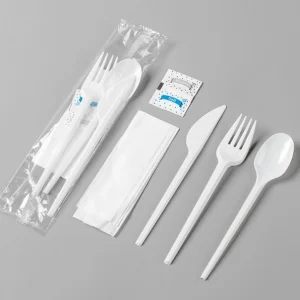
- Cutlery Kits: A sealed pack containing a fork, knife, spoon, and a napkin. This is a highly convenient option for takeaway restaurants, airlines, and food delivery services.
A supplier who offers a wide range of packaging solutions demonstrates a deeper understanding of your end-use cases. They are not just thinking about how to ship the product to you, but how your customer will ultimately receive it. Ask to see their packaging portfolio. Discuss your specific needs. Can they source specific materials, like recycled paper for your packaging, to align with your brand’s sustainability message? The ability to provide a full, turnkey solution—a custom-engraved product in a custom-printed package—is the mark of a sophisticated and highly valuable supplier.
A Diverse Portfolio: Assessing Offerings Beyond Wood
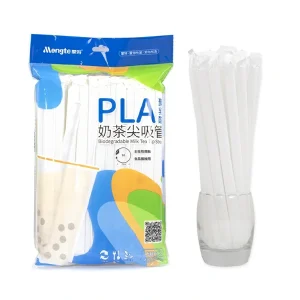
While your immediate need might be for wooden cutlery, a supplier with a diverse product portfolio offers significant strategic advantages. A company that specializes not just in wood, but also in other eco-friendly alternatives like paper straws, PLA (polylactic acid) cutlery, and even reusable options, can become a one-stop shop for all your disposable tableware needs.
Consider the benefits of this approach:
- Simplified Procurement: Managing one supplier relationship is far easier than managing three or four. It simplifies communication, ordering, and invoicing.
- Consolidated Shipping: You can combine orders for wooden spoons, 생분해성 빨대, and PLA knives into a single shipment, which is almost always more cost-effective than multiple smaller shipments from different suppliers.
- Market Adaptability: Consumer preferences and regulations change. The EU Single-Use Plastics Directive, for example, has driven massive shifts in the market (European Commission, 2019). A supplier who is already an expert in multiple materials—wood, paper, PLA, etc.—can help you navigate these changes. If a new regulation impacts one material, they can immediately consult with you on the best alternatives from their existing product lines.
When you examine a supplier’s website and catalog, look beyond the wooden cutlery section. Do they offer a comprehensive range of products like the one described by Mengte, which includes everything from paper straws and PP cutlery to their core eco disposable cutlery lines? This diversity is not a lack of focus; it is a sign of a robust, market-aware company that has invested in understanding the entire landscape of disposable tableware. It shows they are thinking about the future and are well-positioned to be a long-term partner who can evolve with your business needs.
Factor 5: Compliance, Social Responsibility, and Corporate Ethics
In the interconnected world of 2026, a brand’s reputation is inextricably linked to the ethical conduct of its entire supply chain. A low price point achieved through the exploitation of labor or the flouting of environmental regulations is not a bargain; it is a profound liability waiting to be exposed. Consumers, particularly in the socially conscious markets of Europe and developed Asian nations, are increasingly demanding transparency and accountability. They want to know that the products they buy are not only environmentally sustainable but also socially just. Therefore, vetting wooden cutlery suppliers on the basis of their compliance with international laws, their labor practices, and their broader corporate ethos is not an act of idealism but a necessary act of brand preservation and responsible capitalism.
Navigating International Regulations and Import Standards
Every country or economic bloc has its own set of rules governing imports, especially for products that come into contact with food. A supplier who exports globally must be a master of this complex regulatory tapestry. Your due diligence must confirm their expertise in the specific regulations of your target market.
- European Union: Beyond the food-contact safety regulations like LFGB, the EU has a host of other directives. The aforementioned Single-Use Plastics Directive has broad implications for packaging. The EU Timber Regulation (EUTR) requires importers to exercise due diligence to ensure that the timber they place on the market has been harvested legally. A supplier must be able to provide documentation that supports your EUTR obligations.
- Japan: The Japanese Ministry of Health, Labour and Welfare (MHLW) enforces the Food Sanitation Act, which has its own specific standards and testing protocols for food-contact materials. The aesthetic and quality expectations of the Japanese market are also exceptionally high, meaning a supplier must have a near-perfect quality control system.
- South Korea: Similar to Japan, South Korea has its own food-contact material regulations administered by the Ministry of Food and Drug Safety. Compliance is mandatory for legal import.
- Russia: The Eurasian Economic Union (EAEU), of which Russia is a member, has its own technical regulations and conformity assessment procedures. Products often require a declaration of conformity (EAC mark) to be legally sold.
A competent global supplier will not be surprised when you ask about these specific regulations. They should have a dedicated compliance officer or team who can speak knowledgeably about the requirements for your market. Ask them directly: “What is your experience exporting to Germany?” or “Can you provide the necessary documentation for customs clearance in South Korea?” Their ability to provide clear, confident answers and, more importantly, the correct documentation, is a critical test of their international capabilities. A supplier who is vague or unfamiliar with your market’s regulations is a significant risk.
Labor Practices and Social Audits
The conditions under which your products are made are a reflection of your brand’s values. Allegations of child labor, forced labor, unsafe working conditions, or unfair wages within a supply chain can cause irreparable damage to a brand’s reputation. Proactive verification of a supplier’s labor practices is essential.
Third-party social audits are the most reliable way to gain insight into factory conditions. Certifications from programs like BSCI (Business Social Compliance Initiative) or Sedex (Supplier Ethical Data Exchange) provide a structured framework for assessing a supplier’s performance against international labor standards.
- BSCI: This initiative, driven by the Foreign Trade Association, provides companies with a methodology to audit their suppliers based on the standards of the International Labour Organization (ILO). An audit will cover areas like working hours, fair remuneration, occupational health and safety, and the prohibition of child and forced labor.
- Sedex: This is a collaborative platform where suppliers can share their audit data with multiple customers. The most common audit methodology used on the Sedex platform is the SMETA (Sedex Members Ethical Trade Audit). A SMETA report provides a highly detailed snapshot of a factory’s labor, health, safety, and environmental practices.
When you engage with a supplier, ask if they have a current BSCI or Sedex audit report. If they do, request to see it. These reports are often detailed and will point out not only areas of compliance but also areas for improvement. A supplier who is transparent with their audit results—even if they are not perfect—and can show you a corrective action plan for any identified issues is often more trustworthy than one who simply claims to be “perfect.” It shows a commitment to continuous improvement. If a supplier has no social audits, it does not necessarily mean they are unethical, but it places the burden of verification squarely on you, potentially requiring you to commission your own expensive, third-party audit.
A Supplier’s Commitment to a Circular Economy
Beyond compliance and basic labor rights, a truly forward-thinking supplier demonstrates a commitment to broader principles of environmental stewardship and the circular economy. This philosophy moves beyond the linear “take-make-dispose” model and seeks to design out waste and pollution, keep products and materials in use, and regenerate natural systems.
How can a supplier of disposable cutlery contribute to this?
- Waste Reduction in Manufacturing: What happens to the off-cuts and sawdust from their production process? Do they simply send it to a landfill, or do they have a system to reuse or recycle it? For example, sawdust can be compressed into briquettes for fuel or used in composite materials.
- Designing for Compostability: Wooden cutlery is inherently biodegradable. A supplier committed to the circular economy will ensure that no non-compostable coatings or adhesives are used, allowing the product to break down cleanly in an industrial composting facility. They should be able to provide certifications for compostability (e.g., BPI in North America, TÜV AUSTRIA’s OK compost HOME/INDUSTRIAL in Europe).
- Reducing Packaging Waste: Are they working to minimize the amount of plastic used in their shipping and packaging? Do they offer options using recycled or certified paperboard?
- Investing in R&D for Next-Generation Materials: Does the supplier talk about their own research into materials like agricultural waste (e.g., sugarcane bagasse) or advanced forms of recycled plastic tableware? A company blog or news section, like the one seen on the site, can offer insights into their thought leadership and future direction.
Discussing these topics with a potential supplier reveals their long-term vision. Are they simply reacting to current market demands for “eco-friendly” products, or are they proactively investing in and contributing to a more sustainable future? Partnering with a supplier who shares a deep-seated commitment to corporate ethics and circular principles creates a powerful alignment of values that can strengthen your brand story and resonate deeply with your most discerning customers.
Factor 6: Financial Stability and Business Reputation
A partnership with a supplier is a long-term investment. You are entrusting a part of your business’s success to their ability to deliver consistently over months and years. All the certifications and quality control in the world are meaningless if the supplier goes out of business six months after you place your first large order. Therefore, a sober and rational assessment of a supplier’s financial health and their reputation in the market is not a cynical exercise, but a fundamental aspect of risk management. It is about ensuring the partner you choose today will still be there to support your growth tomorrow. This involves looking back at their history, listening to what the market says about them, and understanding the transparency of their commercial terms.
Decoding a Supplier’s History and Market Presence
The longevity of a company is often a powerful indicator of its stability and adaptability. A supplier that has successfully navigated the economic cycles, technological shifts, and competitive pressures of the last few decades is likely to have built a resilient and well-managed operation.
When you encounter a supplier like Yiwu Mengte Commodities Co., Ltd., whose history dates back to 1996 , this long track record provides several points of assurance.
- Experience: A company with nearly three decades of experience has encountered and solved a vast array of production, logistical, and client-related challenges. They have a deep well of institutional knowledge to draw upon. They have seen market trends come and go and have adapted to survive and thrive.
- Investment and Growth: A company’s history often tells a story of growth. The timeline of a supplier like Mengte, showing expansion from a small 10-person operation in 1996 to a 100,000-square-meter facility with 500 employees and automated assembly lines by 2022, is a clear demonstration of reinvestment and long-term vision. This is not a fly-by-night operation; it is a business that has been strategically built over time.
- Established Relationships: A long-standing company has had time to build strong, stable relationships with its own suppliers of raw materials, with logistics partners, and with financial institutions. These deep-rooted relationships contribute to their overall supply chain stability.
When vetting a supplier, ask about their history. How long have they been in business? How long have they been manufacturing wooden cutlery specifically? How has the company evolved? While a newer company is not automatically a risk, a long and stable history provides a significant degree of confidence. You can also use third-party business credit reporting services (depending on the country of the supplier) to gain an independent view of their corporate registration, age, and sometimes, their financial standing.
Requesting and Analyzing Trade References and Client Testimonials
A supplier’s own marketing materials will always paint a rosy picture. To get a more balanced view, you need to hear from their existing customers. Requesting trade references is a standard and essential part of the vetting process.
A professional supplier should be able to provide you with contact information for two or three current clients, ideally in a different geographic market so as not to create a conflict of interest. When you contact these references, have a structured list of questions ready:
- How long have you been working with this supplier?
- How would you rate their product quality and consistency?
- Are their lead times reliable? How do they communicate any delays?
- How responsive is their sales and support team to your inquiries or issues?
- Have you had any quality claims, and if so, how were they handled?
- Would you recommend them as a supplier?
The answers to these questions provide invaluable, real-world insight. A glowing reference is great, but sometimes a more nuanced one can be even more telling. A client who says, “We had a small quality issue on one shipment two years ago, but their response was immediate, and they covered all the costs to fix it,” can actually be a stronger endorsement of the supplier’s character than a simple, “Everything is fine.” It demonstrates that they take responsibility and solve problems.
Be wary of a supplier who is unwilling or unable to provide references. It could mean they are very new and have no established clients, or it could be a sign that their existing clients are not satisfied.
The Importance of Transparent Pricing Structures
The final commercial negotiation is a critical test of a supplier’s transparency and professionalism. The price you are quoted should be clear, detailed, and free of hidden costs.
A professional quotation for wooden cutlery should clearly specify:
- Unit Price: The cost per piece or per thousand pieces.
- Incoterms: This is a critical detail. Is the price Ex Works (EXW), meaning you are responsible for transport from their factory door? Is it Free on Board (FOB), meaning they are responsible for getting the goods onto the vessel at a specific port? Or is it Cost, Insurance, and Freight (CIF) to your destination port? The Incoterm has a massive impact on the total landed cost, and it must be explicitly stated (International Chamber of Commerce, 2020).
- Packaging Details: How many pieces are in an inner box, and how many inner boxes are in a master carton? The price should be tied to this specific packaging configuration.
- Payment Terms: What is the required deposit to start production (e.g., 30%), and when is the balance due (e.g., upon presentation of the Bill of Lading)?
- Validity: How long is the price quote valid for? In a volatile market for raw materials and shipping, prices may only be held for a short period.
A supplier who provides a single, all-in price without this breakdown should be approached with caution. It may contain hidden markups, or it could lead to disputes later on. For example, if the price is FOB Ningbo, but their factory is 300km from the port, who pays for that inland trucking? A clear FOB quote means the supplier does.
Transparency in pricing builds trust. It allows you to accurately calculate your total landed cost and protects you from unexpected charges. A supplier who is open and clear in their financial dealings is likely to be a straightforward and honest partner in all other aspects of the business relationship.
Factor 7: Communication and Partnership Potential
After all the technical specifications have been verified, the certifications inspected, and the logistics planned, the success of a global sourcing relationship often hinges on a profoundly human factor: communication. The ability to convey complex ideas clearly, to understand cultural nuances, and to solve problems collaboratively is what elevates a transactional arrangement into a true strategic partnership. When your supplier is thousands of miles and several time zones away, the quality of your communication is the lifeblood of the relationship. Vetting a supplier’s communicative abilities—their language skills, their responsiveness, and their problem-solving mindset—is to vet their potential as a long-term ally in your business’s growth.
Language Proficiency and Cultural Understanding for Global Markets
In 2026, English is the common language of international business, but proficiency is more than just a matter of vocabulary and grammar. It is about the ability to understand and convey nuance, to prevent misunderstandings, and to build rapport. When evaluating a supplier, pay close attention to the clarity and professionalism of their communication from the very first email.
- Clarity and Precision: Are their responses to your technical questions clear, direct, and unambiguous? Or are they vague and open to interpretation? A misinterpretation of a specification like “smooth finish” could lead to a whole container of unusable product.
- Proactive Communication: Do they anticipate your questions? A great sales representative might follow up a price quote with information about packaging dimensions and container loading capacities, knowing that this is the next information you will need for your own calculations.
- Multi-language Capabilities: While you may be communicating in English, a supplier that indicates capabilities in other languages—such as having Russian, Spanish, or French-speaking staff, or translated materials on their website like Mengte does —demonstrates a deep commitment to global markets. It shows they have invested in understanding the needs of a diverse clientele and are not just passively waiting for English-speaking buyers.
Cultural understanding is the other side of this coin. A supplier experienced in dealing with German buyers will understand their meticulous attention to detail and adherence to schedules. One experienced with Japanese clients will appreciate the high value placed on aesthetic perfection and long-term relationships. This cultural fluency allows them to tailor their service and communication style, leading to a smoother, more efficient partnership. You can gauge this by asking about their experience in your specific region. Their answer will reveal their level of familiarity and respect for your local business culture.
Responsiveness and Problem-Solving Acumen
In a fast-moving business environment, speed of response matters. A supplier who takes three days to answer a simple question can cause significant delays in your own decision-making process. Responsiveness is a proxy for how much they value your business and how efficient their internal processes are.
However, speed is not everything. The quality of the response is equally important. This is where problem-solving acumen comes into play. Problems are inevitable in any business relationship: a production delay, a shipping issue, a minor quality defect. The true measure of a supplier is not whether problems occur, but how they react when they do.
Consider this scenario: You receive a shipment and discover that 5% of the cartons have been damaged in transit due to inadequate pallet wrapping.
- A poor supplier might deny responsibility, blame the shipping company, and leave you to deal with the loss.
- A good supplier will respond quickly, apologize for the issue, and offer a credit for the damaged goods on your next order.
- An excellent supplier will respond immediately, apologize, ask for photos to understand the failure mode, issue a credit, and then inform you of the new pallet-wrapping procedure they have implemented in their warehouse to ensure it never happens again.
This third response demonstrates a problem-solving mindset. The supplier is not just fixing the immediate issue; they are improving their own process to benefit all their clients in the future. You can test for this early on. Ask a complex, hypothetical “what if” question. For example, “What would happen if we needed to change the engraving on our order two days after production has started?” Their answer will reveal their flexibility, their transparency about potential costs, and their willingness to work with you to find a solution rather than simply saying “no.”
Building a Long-Term Strategic Alliance, Not Just a Transaction
The ultimate goal of this extensive vetting process is to find a partner, not just a vendor. A vendor fulfills an order. A partner invests in your success. This shift in mindset is what separates mediocre sourcing from excellent supply chain management.
What does a strategic alliance look like in practice?
- Shared Information: A partner might proactively share market intelligence with you, such as information about upcoming raw material price trends or new sustainable materials they are developing.
- Collaborative Innovation: They might invite you to participate in the development of a new product, valuing your market insight as much as their own manufacturing expertise. This is how a product portfolio expands with relevant, customer-driven items, from unique bulk straws to innovative recycled plastic tableware.
- Mutual Growth: They see your growth as their growth. They might offer more flexible payment terms as your order volume increases or work with you to develop an inventory management plan that supports your expansion into new markets.
- Trust and Transparency: Above all, there is a foundation of trust. You trust that they are giving you their best price and their best effort. They trust that you are a stable, long-term client. This mutual trust allows both parties to operate more efficiently, with less time spent on contentious negotiation and more time spent on collaborative growth.
This level of partnership is not built overnight. It begins with the very first interaction and is nurtured through every email, every order, and every problem solved. As you go through the vetting process, continuously ask yourself: “Does this feel like the beginning of a long-term partnership?” The supplier’s willingness to communicate openly, solve problems collaboratively, and invest in understanding your business is the clearest indicator of their potential to be the strategic ally you need to succeed.
Frequently Asked Questions about Sourcing Wooden Cutlery
1. Is wooden cutlery truly more sustainable than bioplastics like PLA?
The sustainability of wooden cutlery versus PLA (polylactic acid) is complex, with trade-offs for each. Wooden cutlery, when sourced from FSC or PEFC-certified forests, comes from a renewable resource managed for long-term ecological health. It biodegrades relatively easily in natural environments. PLA is derived from plant starches (like corn) and is commercially compostable, meaning it requires specific conditions of high heat and humidity found in industrial composting facilities to break down. It will not biodegrade in a backyard compost pile or in the ocean. The choice often depends on the available end-of-life disposal infrastructure. If reliable industrial composting is available, PLA is a viable option. If not, certified wood is often considered superior as it breaks down more readily in a wider range of conditions.
2. What is the biggest mistake businesses make when choosing wooden cutlery suppliers?
The most common mistake is prioritizing the lowest unit price above all other factors. This often leads to partnering with suppliers who cut corners on raw material sourcing (using uncertified or poor-quality wood), quality control (resulting in splinters and breakage), or social compliance. A slightly higher price from a reputable, fully certified supplier is an investment in brand safety, product quality, and supply chain reliability that pays for itself by avoiding costly recalls, damaged reputation, and delivery failures.
3. How can I be sure the wooden cutlery is safe and won’t give my customers splinters?
Ensuring safety involves a two-pronged approach. First, check the material: high-quality birch wood is naturally less prone to splintering than softer woods like pine. Second, and more importantly, scrutinize the supplier’s manufacturing process. Ask them to detail their sanding and polishing procedures. A multi-stage tumbling and polishing process is essential for a smooth finish. Always request samples from a recent production run and physically inspect them—run your fingers along the edges and tines. Finally, only work with suppliers who can provide food-grade safety certifications like LFGB or FDA, which ensures the material is chemically safe for contact with food.
4. What are the typical payment terms I should expect from an overseas supplier?
For most overseas wooden cutlery suppliers, especially for new customers, the standard payment term is a partial payment upfront with the balance due at a later stage. A common structure is a 30% T/T (Telegraphic Transfer) deposit to confirm the order and begin production, and the remaining 70% T/T balance due upon presentation of a copy of the Bill of Lading (the document that proves the goods have been shipped). As a relationship and trust are built over time, some suppliers may offer more flexible terms.
5. How are import duties and taxes handled when sourcing from a supplier in China?
Import duties, taxes (like VAT), and customs clearance fees are the responsibility of the importer (you, the buyer). The supplier’s price quote (unless it is a DDP – Delivered Duty Paid quote, which is rare for bulk goods) does not include these costs. The amount of duty is determined by the specific HS (Harmonized System) code for wooden cutlery and the trade agreements between your country and China. You will need to work with a customs broker in your own country to handle the import declaration and calculate the exact duties and taxes owed upon the arrival of the goods.
6. What is a realistic lead time for a large order of custom wooden cutlery?
A realistic lead time is the sum of production time and shipping time. For a custom order, production might take 30-45 days, which includes creating any new molds, testing, and the manufacturing run itself. Standard sea freight from a major Chinese port like Ningbo to a European port like Hamburg or Rotterdam typically takes 30-40 days. Adding time for customs clearance on both ends, a safe, realistic estimate from placing a custom order to receiving it at your warehouse is approximately 75-90 days. Always confirm these timelines with your supplier and build in a buffer for potential delays.
7. Can wooden cutlery be branded with my company’s logo?
Yes, high-quality wooden cutlery suppliers offer branding services, most commonly through laser engraving. This process can cleanly etch your logo or brand name onto the handle of the utensils. When inquiring about this service, ask for the MOQ (Minimum Order Quantity), any setup fees for the design, and request a physical sample for approval before committing to a large production run to ensure the quality and detail of the engraving meet your standards.
결론
The selection of a wooden cutlery supplier in the contemporary global market is an exercise in diligence that transcends simple procurement. It is an act of curating a brand’s identity, safeguarding its reputation, and making a tangible commitment to environmental and social ethics. The seven factors explored—from the verifiable roots of the raw material in a sustainably managed forest to the clarity and collaborative spirit of the final communication—form a comprehensive framework for this critical decision. By moving beyond a superficial analysis of price and embracing a deeper inquiry into a supplier’s production science, logistical resilience, ethical framework, and partnership potential, businesses can forge relationships that are not only profitable but also principled. This meticulous vetting process is the surest path to securing a high-quality, safe, and responsibly made product that resonates with the values of the modern consumer. Ultimately, the right supplier is more than a link in a supply chain; they are a strategic partner who contributes to a brand’s long-term stability, growth, and integrity in a complex world.
References
European Commission. (2019). Directive (EU) 2019/904 of the European Parliament and of the Council of 5 June 2019 on the reduction of the impact of certain plastic products on the environment. Official Journal of the European Union. https://eur-lex.europa.eu/eli/dir/2019/904/oj
Forest Stewardship Council. (2022). FSC Principles and Criteria for Forest Stewardship. FSC International.
International Chamber of Commerce. (2020). Incoterms® 2020. ICC.
International Organization for Standardization. (2015). ISO 9001:2015 Quality management systems — Requirements. ISO.
Mengte. (n.d.-a). About Us. Yiwu Mengte Commodities Co., Ltd. Retrieved November 17, 2023, from https://www.mtstraw.com/about/
Mengte. (n.d.-b). Eco-Friendly Straw & Cutlery Use Cases. Yiwu Mengte Commodities Co., Ltd. Retrieved November 17, 2023, from https://www.mtstraw.com/applications/
Mengte. (n.d.-c). YIWU MENGTE COMMODITIES CO., LTD.: Drinking Straw. Made-in-China.com. Retrieved November 17, 2023, from https://mengte.en.made-in-china.com/
Programme for the Endorsement of Forest Certification. (2020). Chain of Custody of Forest and Tree Based Products – Requirements. PEFC Council.
Sedex. (n.d.). SMETA Audit. Retrieved November 17, 2023, from
TÜV AUSTRIA. (n.d.). OK compost INDUSTRIAL. Retrieved November 17, 2023, from