




 EN
EN  FR
FR  ES
ES  RU
RU  DE
DE  JA
JA  KO
KO Abstract
The common dental directive to avoid using a drinking straw, particularly following oral surgery, is rooted in well-documented physiological and chemical principles that affect oral health. This guidance is primarily issued to prevent a painful post-operative complication known as alveolar osteitis, or “dry socket,” which results from the dislodgement of a protective blood clot at an extraction site due to the negative pressure created by suction. Beyond this immediate surgical concern, the use of straws presents other, more chronic risks. It can facilitate the targeted delivery of cariogenic and acidic substances directly onto tooth surfaces, bypassing the buffering and cleansing actions of saliva. This focused exposure may accelerate the processes of dental caries and enamel erosion. Furthermore, the habitual pursing of the lips required for straw use has been associated with the development of perioral rhytides, or fine lines around themouth. An examination of these factors reveals that the seemingly innocuous act of using a straw involves complex mechanical and chemical interactions within the oral cavity, justifying the cautionary stance adopted by dental professionals.
Key Takeaways
- Avoid straws after tooth extraction to prevent the painful condition of dry socket.
- Using a straw can focus sugary drinks on teeth, increasing your risk of cavities.
- Position a straw behind your teeth to minimize acid contact with tooth enamel.
- Understand why do dentists tell you not to use a straw to protect your oral health.
- Habitual straw use may contribute to the formation of wrinkles around the mouth.
- Swallowing excess air from straws can lead to bloating and gas.
Table of Contents
- The Unseen Dangers: An Introduction to Straws and Oral Health
- Critical Risk 1: The Agony of Dry Socket After Tooth Extraction
- Critical Risk 2: The Focused Assault on Tooth Enamel
- Critical Risk 3: Unintended Aesthetic and Digestive Consequences
- Navigating the Nuances: When Straws Can Be Beneficial
- Frequently Asked Questions (FAQ)
- A Final Sip of Advice
- References
The Unseen Dangers: An Introduction to Straws and Oral Health
The drinking straw is a ubiquitous object, a simple tube that has become an emblem of convenience in our modern lives. We encounter them everywhere, from fast-food restaurants to upscale cafes, often without a second thought. Yet, within the sterile, calm environment of a dental clinic, a very different narrative about this humble tool emerges. Have you ever been handed post-operative instructions after a dental procedure, only to find a stark warning against using straws? This often raises the question: why do dentists tell you not to use a straw? The advice is not arbitrary; it is a considered recommendation grounded in a deep understanding of the delicate ecosystem of the human mouth and the specific vulnerabilities that arise, particularly after surgical intervention. To grasp the reasoning, one must move beyond viewing the straw as a mere convenience and begin to see it as a tool that introduces specific physical forces and chemical dynamics into the oral cavity.
A Tool of Convenience, A Source of Complication
At its core, a straw functions by creating a pressure differential. When you sip, you lower the pressure inside the straw, allowing the higher atmospheric pressure outside to push the liquid up into your mouth. It feels effortless, almost passive. The complication arises from this very action of suction. Imagine your mouth after a tooth has been removed. The empty space, the socket, is not meant to remain empty. It immediately begins a complex healing process, the cornerstone of which is the formation of a blood clot. This clot is not just a simple scab; it is a sophisticated biological scaffold, laying the groundwork for new bone and tissue to grow. The gentle but persistent negative pressure created by sipping through a straw can be enough to dislodge this vital clot, leaving the underlying bone and nerves exposed. The result is a condition known as alveolar osteitis, or dry socket, which is intensely painful and disrupts the natural course of healing (Kolokythas et al., 2010). The convenience of a straw is thus transformed into a direct threat to recovery.
The Dentist’s Perspective: Prevention Over Intervention
A dentist’s work is not confined to repairing damage. A significant portion of the profession is dedicated to prevention—to educating patients on habits and behaviors that preserve oral health and avert problems before they begin. The advice against straw use fits squarely within this preventative philosophy. Beyond the immediate post-surgical risk of dry socket, dentists are concerned with the long-term, cumulative effects of how we consume beverages. When you drink directly from a cup, the liquid washes over your entire mouth. Your saliva, a natural defense mechanism rich in buffering agents and minerals, immediately goes to work neutralizing acids and washing away sugars. A straw, however, can act like a pipeline, bypassing this protective bath of saliva and delivering a concentrated stream of liquid to a specific area, often the back of the teeth. If that liquid is a sugary soda or an acidic fruit juice, the straw is effectively focusing the attack on the enamel of those teeth. Over time, this targeted exposure can lead to accelerated tooth decay and enamel erosion, issues that are far more difficult and costly to address than they are to prevent. The question of why do dentists tell you not to use a straw is therefore answered not by one single reason, but by a collection of risks, both immediate and chronic.
Critical Risk 1: The Agony of Dry Socket After Tooth Extraction
Of all the reasons dentists caution against straw use, the prevention of dry socket is the most urgent and compelling, especially in the days following a tooth extraction. To truly appreciate the gravity of this warning, we must first journey into the small, delicate space left behind when a tooth is removed and understand the beautiful, fragile process of healing that is meant to occur there.
Understanding the Healing Process: The Vital Role of the Blood Clot
When a tooth is extracted, it leaves an open wound in the jawbone known as a socket. Your body’s response is immediate and elegant. Blood fills the socket and begins to coagulate, forming a dark, jelly-like blood clot. This clot is nature’s perfect bandage. It serves several foundational purposes. First, it stems the bleeding. Second, it protects the exposed underlying jawbone and the sensitive nerve endings within it from the air, food, and bacteria in the oral environment. Third, and most profoundly, it acts as a matrix or scaffold. Within this clot, specialized cells begin the work of creating granulation tissue, which is the precursor to the new bone that will eventually fill in the socket. Without this clot, the entire healing cascade is halted. The bone and nerves are left bare, and the stage is set for a painful complication.
The Physics of Suction: How a Straw Becomes a Threat
The act of drinking through a straw, which feels so benign, introduces a force that is the natural enemy of this newly formed blood clot: suction. Think of trying to pull a cork out of a wine bottle. You are creating negative pressure. The suction required to draw liquid up a straw, while seemingly minor, creates a similar vacuum effect within the sealed environment of your mouth. This negative pressure can be sufficient to pull the blood clot right out of its socket. Even a gentle sip can be enough to dislodge it, especially in the first 24 to 72 hours after surgery when the clot is most fragile. The loss of the clot is what defines alveolar osteitis, or dry socket. The term “dry socket” is visually descriptive; the socket appears empty and the whitish color of the exposed bone may be visible, a stark contrast to the dark, healing clot that should be there (Bowe et al., 2011). The advice to avoid straws is a direct, mechanical intervention designed to protect this healing site from the disruptive force of suction.
| Post-Extraction Activity | Risk Level for Dry Socket | Rationale |
|---|---|---|
| Using a Straw | High | Creates direct suction (negative pressure) that can easily dislodge the protective blood clot. |
| Smoking | High | Involves a similar suction or “drawing” action; also introduces harmful chemicals that impair healing. |
| Vigorous Rinsing/Spitting | Moderate to High | Creates pressure and turbulence within the mouth that can disturb the fragile clot, especially in the first 24 hours. |
| Gentle Drinking from a Cup | Low | Involves minimal suction and allows liquid to be consumed without creating significant negative pressure. |
| Eating Soft Foods | Low | Chewing on the opposite side of the mouth avoids mechanical disruption of the extraction site. |
| Sneezing/Coughing | Low to Moderate | Can create sudden pressure changes, but is often unavoidable. Try to sneeze with your mouth open to minimize pressure buildup. |
Symptoms and Treatment: Recognizing and Managing Dry Socket
The primary symptom of dry socket is not subtle. It is a severe, throbbing pain that typically begins two to four days after the extraction, often radiating from the socket to the ear, eye, or neck on the same side of the face. This is not the standard post-operative soreness, which gradually improves; this is a pain that intensifies. Patients may also notice a bad taste in their mouth or persistent bad breath (halitosis) caused by the breakdown of food debris in the unprotected socket (Mamoun, 2018).
If you suspect you have dry socket, it is imperative to contact your dentist or oral surgeon immediately. Treatment is focused on pain management and promoting healing. The dentist will gently irrigate the socket to clean out any debris. Then, a medicated dressing, often containing substances like eugenol (clove oil), is placed into the socket. This dressing soothes the exposed nerve endings, provides significant pain relief, and protects the site. The dressing may need to be changed every day or two until the granulation tissue begins to form over the bone and the pain subsides. The healing process is delayed, but it will eventually complete.
A Comparative Look: Suction from Straws vs. Other Activities
The warning against straws is so specific because the action is a pure, focused form of suction. However, it is part of a broader category of behaviors to avoid. Smoking is another major risk factor, not only because of the drawing action but also because the chemicals in tobacco smoke can contaminate the wound and impair blood flow, delaying healing. Similarly, forceful spitting or vigorous rinsing can create enough pressure to dislodge the clot. Even playing a wind instrument can pose a risk. The common thread is the creation of pressure changes—positive or negative—within the oral cavity that the fragile, healing socket cannot withstand. The straw, in its simple efficiency, is one of the most common and direct ways a patient might inadvertently inflict this trauma upon themselves.
Critical Risk 2: The Focused Assault on Tooth Enamel
While the danger of dry socket is acute and immediate, the dental community’s reservations about straws extend to more chronic, subtle forms of damage. The second critical risk revolves around the way straws alter the fluid dynamics of drinking, turning a generalized exposure into a targeted attack on your teeth. The enemies in this scenario are sugar and acid, the two primary culprits behind tooth decay and enamel erosion. Understanding why a straw can amplify their destructive power requires a closer look at the chemistry of the mouth and the protective structure of our teeth.
The Chemistry of Decay: Sugar, Acid, and Bacteria
Your mouth is home to a complex ecosystem of bacteria. Some are harmless, but others, particularly a species called Streptococcus mutans, thrive on sugar. When you consume sugary foods or drinks, these bacteria metabolize the sugars and produce acid as a byproduct. This acid is the real villain. Tooth enamel, the hard, white, outer layer of your teeth, is the most mineralized substance in the human body, composed primarily of a crystalline calcium phosphate known as hydroxyapatite. Despite its strength, enamel is vulnerable to acid. At a pH below approximately 5.5, the acid begins to dissolve these minerals, a process called demineralization (Featherstone, 2008). If this happens faster than your body can repair the enamel through remineralization (using minerals from your saliva), a cavity begins to form.
Many beverages are not only sugary but also inherently acidic. Sodas, sports drinks, and fruit juices often have a very low pH, meaning they can attack enamel directly, without any help from bacteria. This direct chemical dissolution of the enamel is called dental erosion.
How Straws Concentrate the Attack
When you drink from a glass, the liquid spreads throughout your mouth. It bathes the teeth, tongue, and cheeks. Your saliva, your body’s natural defender, immediately springs into action. Saliva has a neutral pH and contains bicarbonate, which acts as a buffer to neutralize acids. It also washes away some of the sugar and contains calcium and phosphate ions that help to remineralize enamel.
Now, consider the effect of a straw. Instead of a diffuse wash, the straw acts like a nozzle, delivering a concentrated stream of the beverage to a specific location. Often, people place the tip of the straw just behind their front teeth or rest it against their molars. This means that a small number of teeth are receiving a continuous, high-velocity jet of sugary, acidic liquid. The protective, diluting effect of saliva is largely bypassed. The liquid doesn’t have time to mix and be neutralized before it hits the enamel. It’s the difference between a gentle rain and a pressure washer. Over time, this focused assault can cause significantly more damage to the targeted teeth than if the same beverage were sipped from a cup. This explains why a dentist might see a pattern of decay or erosion on a patient’s back molars that corresponds perfectly with where they habitually place their straw.
Beyond Cavities: The Silent Erosion of Enamel
Dental erosion is often a more insidious problem than cavities. While cavities are localized holes, erosion affects the entire surface of the tooth that is exposed to acid. The enamel literally becomes thinner. Early signs can include teeth appearing more yellow (as the underlying, yellowish dentin shows through the thinning enamel) and increased tooth sensitivity, as the protective enamel layer is worn away, exposing the microscopic tubules that lead to the tooth’s nerve. The edges of the front teeth might look translucent or develop small chips and cracks. Unlike decay, which can be repaired with a filling, lost enamel cannot be regenerated by the body (Lussi et al., 2011). The damage is permanent. Using a straw to consume acidic drinks can dramatically accelerate this erosive process on the teeth that are in the direct line of fire.
The pH Scale in Your Cup: A Guide to Beverage Acidity
To put this risk into perspective, it helps to understand the acidity of common drinks. The pH scale runs from 0 (most acidic) to 14 (most alkaline), with 7 being neutral. Remember, the critical pH for enamel demineralization is around 5.5.
| Beverage | Typical pH Range | Potential Dental Impact |
|---|---|---|
| Water | 6.5 – 8.5 | Safe. Often contains fluoride, which helps strengthen enamel. |
| Milk | 6.7 – 6.9 | Safe. Contains calcium and phosphate, which aid in remineralization. |
| Black Coffee | 5.0 – 5.5 | Borderline to Erosive. Adding sugar increases the risk of decay. |
| Tea (Black/Green) | 4.9 – 5.5 | Borderline to Erosive. Contains some fluoride but can also cause staining. |
| Beer | 4.0 – 5.0 | Erosive. |
| Orange Juice | 3.3 – 4.2 | Highly Erosive. Contains citric acid and is often high in sugar. |
| Sports Drinks | 2.9 – 3.3 | Extremely Erosive. High in both acid and sugar. |
| Cola | 2.4 – 2.7 | Extremely Erosive. Contains phosphoric acid and is very high in sugar. |
| Stomach Acid | 1.5 – 3.5 | Severely Erosive. (Relevant for conditions like acid reflux). |
As the table illustrates, many of the most popular beverages fall well into the danger zone. When you consider that a straw can deliver these highly erosive liquids directly to your enamel, the long-term dental advice to limit straw use for these types of drinks becomes a clear strategy for preserving the integrity of your teeth.
Critical Risk 3: Unintended Aesthetic and Digestive Consequences
The dental profession’s concerns about straw use are not limited to the internal environment of the mouth. The repeated physical act of using a straw, along with its effect on how we swallow, can lead to other, less obvious issues that impact both appearance and comfort. These consequences may not be as immediately severe as a dry socket or as structurally damaging as enamel erosion, but they are part of a holistic understanding of how oral habits affect our overall well-being.
The Mechanics of a Pucker: Straws and Perioral Wrinkles
Think about the facial expression you make when sipping from a straw. You purse your lips, engaging the orbicularis oris muscle, a circular muscle that surrounds your mouth. This repeated puckering action is very similar to the motion made by smokers when they draw on a cigarette. Over many years, this repetitive muscle contraction can contribute to the formation of dynamic wrinkles—fine vertical lines that radiate out from the lips. These are often referred to as “smoker’s lines” or “lipstick lines,” but they can just as easily be caused by a lifetime of habitual straw use (D’Souza et al., 2015).
How does this happen? Every time a muscle contracts, it causes the overlying skin to fold. When we are young, our skin is rich in collagen and elastin, proteins that give it firmness and elasticity. The skin bounces back easily after the muscle relaxes. As we age, production of these proteins decreases, and the skin loses its resilience. The repeated folding in the same places eventually etches permanent lines into the skin. While genetics and sun exposure are the primary drivers of skin aging, repetitive muscle movements play a significant role in the location and severity of certain types of wrinkles. For individuals concerned with the aesthetic appearance of the perioral area, reducing habitual straw use can be a simple, preventative behavioral change, much like wearing sunscreen.
Aerophagia: The Hidden Discomfort of Swallowing Air
Another unintended consequence of using a straw is the potential to swallow excess air, a condition known as aerophagia. When you sip from a straw, particularly if you are drinking quickly or if the drink is carbonated, it is easy to draw in air along with the liquid. This air travels down the esophagus and into the digestive system. While swallowing small amounts of air is normal, consistently ingesting larger volumes can lead to uncomfortable gastrointestinal symptoms. The most common of these are bloating, a feeling of fullness or pressure in the abdomen, belching, and flatulence (Chitkara, 2005). For individuals who are already prone to digestive issues like Irritable Bowel Syndrome (IBS), the additional gas from aerophagia can significantly exacerbate their symptoms. While a straw is unlikely to be the sole cause of major digestive distress, it can be a contributing factor to daily discomfort that people may not think to connect to their drinking habits. It is a subtle reminder that the way we introduce substances into our body—the very mechanics of eating and drinking—can have ripple effects beyond the mouth itself.
A Holistic View: Connecting Oral Habits to Overall Well-being
The discussion about wrinkles and bloating may seem far removed from traditional dentistry. However, it reflects a modern, holistic approach to health. The mouth is not an isolated system; it is the gateway to the rest of the body. Oral habits have consequences for the facial tissues that surround the mouth and for the digestive tract that begins there. A dentist who asks about your straw use is not just thinking about your teeth. They are considering you as a whole person, evaluating how a simple, everyday behavior might be contributing to a range of issues, from the cosmetic to the systemic. Understanding these broader connections empowers you to make more informed choices. The decision to skip the straw is not just about avoiding a cavity; it can also be about preserving your skin’s appearance and promoting your digestive comfort. It reinforces the idea that small, mindful changes in our daily routines can have a surprisingly significant impact on our long-term health and well-being.
Navigating the Nuances: When Straws Can Be Beneficial
After examining the three critical risks, it might seem that straws are an unequivocal adversary to oral health. However, the reality is more nuanced. A tool is defined by its application, and in certain contexts, a straw can be transformed from a potential hazard into a helpful instrument. A complete understanding requires us to recognize not only the risks but also the specific situations where using a straw is not only acceptable but recommended. The key lies in using the straw with intention and proper technique.
Protecting Sensitive or Newly Whitened Teeth
For individuals suffering from tooth sensitivity, sipping a very cold or hot beverage can trigger a sharp, sudden pain. This sensitivity often occurs when the protective enamel has thinned, or the gums have receded, exposing the underlying dentin. Dentin contains thousands of microscopic tubules that lead directly to the tooth’s nerve pulp. A straw can be a valuable tool in this case. By carefully positioning the straw toward the back of the mouth, it is possible to bypass the sensitive teeth altogether, allowing the liquid to be swallowed with minimal contact.
A similar logic applies after professional teeth whitening procedures. Immediately following whitening, teeth can be temporarily more porous and susceptible to staining from dark-colored liquids like coffee, tea, or red wine. Using a straw to drink these beverages can help minimize contact with the front surfaces of the teeth, preserving the bright results of the treatment (Matis et al., 2003). In these instances, the straw is used as a strategic tool to protect vulnerable teeth from thermal shock or staining agents.
Assisting Individuals with Motor Difficulties
For many people, the ability to lift a cup to their lips is something taken for granted. However, for individuals with certain medical conditions, physical disabilities, or motor control challenges—such as those with Parkinson’s disease, cerebral palsy, advanced arthritis, or those who are bedridden—a straw is not a convenience; it is an essential aid for hydration and nutrition. It provides a means of drinking independently and safely, reducing the risk of spills or choking. In this context, the benefits of ensuring adequate fluid intake far outweigh the potential dental risks. The conversation shifts from “if” a straw should be used to “how” it can be used most safely, perhaps by encouraging sips of water afterward or assisting with oral hygiene. The utility of the straw here underscores the importance of context in any health recommendation.
Making a Responsible Choice: Material Matters
When straw use is deemed appropriate or necessary, the conversation can then turn to the type of straw being used. The global movement to reduce single-use plastics has brought a wide variety of alternatives to the forefront. The choice of material can have implications for both personal health and the environment.
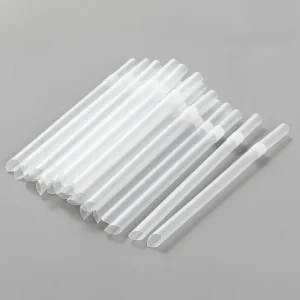
- Plastic Straws: Traditional single-use plastic straws, often made of polypropylene, are lightweight and inexpensive. However, their environmental impact is a significant concern. Reusable options, such as durable polypropylene straws, offer a more sustainable alternative if cleaned and maintained properly.
- Paper Straws: While biodegradable, paper straws often become soggy and collapse quickly, which can be frustrating for the user.
- PLA (Polylactic Acid) Straws: These are bioplastics made from plant starches. They look and feel like traditional plastic but are commercially compostable.
- Metal Straws: Stainless steel straws are durable, reusable, and easy to clean with a brush. However, they conduct temperature, so they can become very hot or cold. They also pose a risk of injury to the mouth if a person falls or is jostled while drinking.
- Silicone Straws: These are soft, flexible, and safer for children. They are reusable and easy to clean, making them a good all-around choice for those who use straws regularly.
- Bamboo or Glass Straws: These offer further reusable and aesthetic choices, each with its own considerations for cleaning and durability.
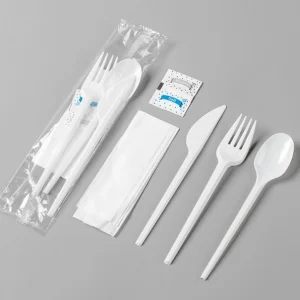
Choosing reusable and eco disposable cutlery and straws is a small but meaningful step toward environmental stewardship. When you do choose to use a straw, selecting one that is reusable and can be thoroughly cleaned is a responsible decision.
Frequently Asked Questions (FAQ)
1. Is it ever okay to use a straw after a tooth extraction? It is strongly recommended to avoid all straw use for at least the first 72 hours after an extraction. Some dentists advise waiting a full week. The primary goal is to protect the blood clot that is essential for healing. After this initial period, and once you have had a follow-up with your dentist, you may be able to resume using a straw cautiously, but it is always best to follow the specific instructions provided by your oral surgeon.
2. I have sensitive teeth. Can a straw really help? Yes, a straw can be very effective for managing tooth sensitivity. The key is technique. Position the tip of the straw behind the sensitive teeth, toward the back of your mouth. This allows you to bypass the areas causing pain when drinking cold liquids. It’s a way to control where the liquid goes, minimizing contact with the sensitive surfaces.
3. Will using a straw occasionally really cause wrinkles? Occasional straw use is highly unlikely to cause wrinkles. The risk is associated with habitual, frequent use over many years. The formation of perioral wrinkles (lines around the mouth) is a cumulative process resulting from repetitive muscle contractions. If you enjoy using a straw from time to time, you do not need to be overly concerned about this specific risk.
4. Are some straws better than others for my teeth? From a dental perspective, no type of straw eliminates the risks of concentrating sugar/acid or the suction that can cause a dry socket. However, wider straws may require slightly less suction than very narrow ones. The most important factor is not the straw itself, but what you drink through it and how you position it in your mouth. For acidic drinks, positioning the straw past your teeth is the best strategy.
5. How long should I wait to use a straw after teeth whitening? Dentists typically recommend avoiding staining foods and drinks for at least 48 hours after a professional whitening treatment. During this period, your teeth are more porous and can easily absorb pigments. If you must drink coffee, tea, or red wine during this time, using a straw is a good way to minimize contact with your newly whitened front teeth and protect your investment.
6. Does drinking water through a straw have any negative effects? Drinking plain water through a straw generally poses no dental risks. Water is not sugary or acidic, so it will not cause decay or erosion. The only potential, minor downside would be the contribution to perioral wrinkles with very frequent use over a lifetime, and the possibility of swallowing some air. From a purely dental health standpoint, it is perfectly safe.
7. Can a straw help prevent tooth stains from coffee and tea? Yes, similar to its use after whitening, a straw can help reduce staining on the front teeth from beverages like coffee, tea, and red wine. By directing the flow of liquid to the back of the mouth, you limit the exposure of the visible surfaces of your teeth to these pigments. However, it will not prevent staining on the back teeth.
A Final Sip of Advice
The journey into the world of oral health often reveals that the simplest habits can have the most profound consequences. The question of “why do dentists tell you not to use a straw?” does not have a single, simple answer. It unfolds into a multi-faceted explanation that touches upon post-surgical healing, dental chemistry, and even aesthetics. The primary, most critical warning is to protect the delicate healing process after a tooth extraction and prevent the agony of a dry socket. Beyond that acute risk, the concern shifts to the chronic, focused damage that straws can inflict by channeling sugar and acid directly onto your tooth enamel, accelerating decay and erosion. Finally, the repeated puckering motion and the ingestion of air remind us that our oral habits have consequences that extend to our appearance and digestive comfort.
Yet, this knowledge does not demand a complete prohibition. It calls for mindfulness. It encourages us to see the straw not as a default accessory but as a specific tool. It can be a tool of protection for sensitive teeth or a vital aid for those with motor challenges. The decision to use a straw should be an intentional one, informed by your current oral health status and the beverage you are consuming. When you do use one, think about its placement. When you don’t need one, consider the simple act of sipping from a glass. By understanding the “why” behind your dentist’s advice, you become an active, empowered partner in the lifelong project of caring for your health.
References
Bowe, D. C., Rogers, S., Stassen, L. F. A. (2011). The management of dry socket/alveolar osteitis. Journal of the Irish Dental Association, 57(6), 305–310.
Chitkara, D. K. (2005). Aerophagia. In Encyclopedia of Gastroenterology (pp. 29-30). Elsevier.
D’Souza, J. C., Gadhia, K., Al-Niaimi, F., & Madan, V. (2015). An update on the surgical and nonsurgical treatment of perioral rhytides. Dermatologic Surgery, 41(S1), S23-S30.
Featherstone, J. D. B. (2008). Dental caries: A dynamic disease process. Australian Dental Journal, 53(3), 286–291.
Kolokythas, A., Olech, E., Miloro, M. (2010). Alveolar osteitis: A comprehensive review of concepts and controversies. International Journal of Dentistry, 2010, 249073.
Lussi, A., Schlueter, N., Hellwig, E., & Ganss, C. (2011). Dental erosion–an overview with emphasis on chemical and histopathological aspects. Caries Research, 45(Suppl. 1), 2–12.
Mamoun, J. (2018). Dry socket etiology, diagnosis, and clinical treatment. Journal of the Korean Association of Oral and Maxillofacial Surgeons, 44(2), 52-58. https://doi.org/10.5125/jkaoms.2018.44.2.52
Matis, B. A., Mousa, H. N., Cochran, M. A., & Eckert, G. J. (2003). Clinical evaluation of a bleaching agent used with and without a laser. Journal of the American Dental Association, 134(12), 1643–1650.